Child Policy still pending in Manipur despite severe impact of ongoing crisis on Children
Manipur's ongoing crisis continues to impact children severely, with no child policy in place yet. Authorities are urged to act swiftly to safeguard children's welfare amid rising concerns.
- Apr 18, 2026,
- Updated Apr 18, 2026, 3:33 PM IST
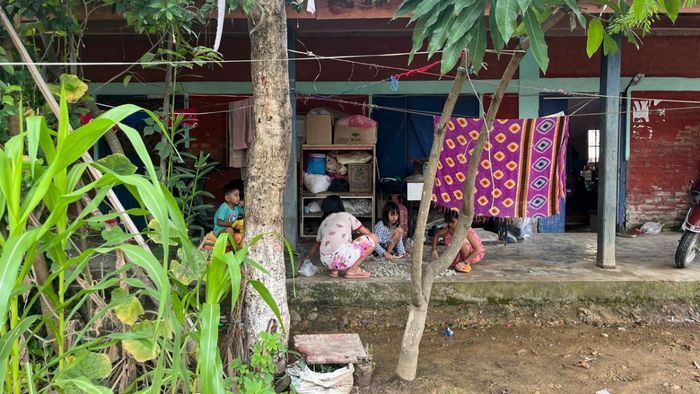
Even as children continue to bear the brunt of the prolonged conflict in Manipur, the state’s Child Policy remains unimplemented, existing only as a draft despite years of deliberation. The ongoing unrest over the past three years has deeply affected children across all age groups, with reports highlighting displacement, disruption of education, psychological trauma, and even instances of violence involving minors.
Children constitute nearly 40 per cent of the state’s population, with around 11 lakh individuals below 18 years, according to Census data. Among the estimated 65,000 internally displaced persons (IDPs), nearly 25,000 are children, many of whom are facing extreme hardship. Incidents of violence, including deaths, abuse, and severe mental distress among children, have raised serious concerns among authorities and child rights bodies.
Chairperson of the Manipur Commission for Protection of Child Rights (MCPCR), Keisham Pradipkumar, stressed that the absence of a formal child policy has resulted in responses that are “temporary, reactive, and inadequate.” He noted that a comprehensive draft policy was first prepared in 2017, revised in 2020 after public consultation, and submitted to the government in April 2025, but is yet to receive cabinet approval.
The proposed policy aims to create a safe, inclusive, and nurturing environment for children, ensuring dignity, equity, and participation. Officials argue that its implementation would bring accountability, better coordination among stakeholders, and a structured approach to addressing child-related issues, especially during crises.
Meanwhile, efforts such as mental health and psychological support clinics conducted in collaboration with the Regional Institute of Medical Sciences have revealed alarming trends, with 30–35 per cent of children showing moderate to severe distress. Experts and authorities have reiterated the urgent need for a long-term, child-centric framework to safeguard the future of Manipur’s younger generation amid continuing instability.