JNU teachers' association questions professor Bimol Akoijam's dismissal, alleges procedural violations
JNUTA has challenged JNU's dismissal of Professor and Congress MP Bimol Akoijam. The association says the move bypassed due procedure and breached confidentiality norms.
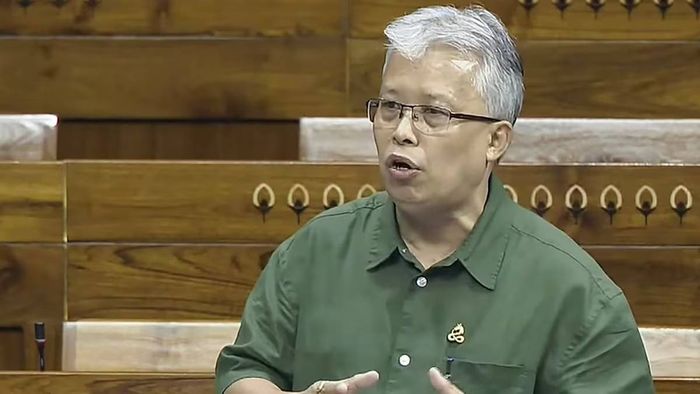
- Oct 11, 2026,
- Updated Oct 11, 2026, 9:10 PM IST
The Jawaharlal Nehru University Teachers’ Association (JNUTA) has questioned the dismissal of Professor Angomcha Bimol Akoijam, Congress MP from Inner Manipur, alleging that the university administration bypassed established procedures and compromised the confidentiality of a sexual harassment inquiry.
Akoijam, who taught at the Centre for the Study of Social Systems under JNU’s School of Social Sciences, was dismissed from university service with immediate effect on October 9. The university’s order, issued by Vice-Chancellor Santishree D Pandit, cited the findings of the Internal Committee (IC), which recommended major punishment following an inquiry into allegations of sexual harassment.
The dismissal order stated that the penalty was imposed after considering the committee’s report and the available facts, in accordance with applicable service rules, including Rule 11(ix) of the Central Civil Services (Classification, Control and Appeal) Rules.
However, in a statement issued on October 11, JNUTA alleged that the Vice-Chancellor had exercised powers that legally rested with the university’s Executive Council. Citing Statute 30 of the JNU Act, the association argued that the dismissal could not be ordered unilaterally without the council’s approval.
JNUTA claimed that no Executive Council meeting had been convened and that relevant documents had not been circulated to its members before the decision was taken.
The association also raised concerns over the circulation of the dismissal order and the alleged leak of the Internal Committee’s recommendations to the media, saying such disclosures violated confidentiality norms governing sexual harassment proceedings.
Questioning the framework governing the current Internal Committee, JNUTA contrasted it with the university’s former Gender Sensitisation Committee Against Sexual Harassment (GSCASH), which it said had clearly defined provisions for minor and major penalties.
The association argued that procedural lapses in sexual harassment cases could undermine the pursuit of justice and affect both complainants and the accused. It held the university administration responsible for what it described as repeated disregard for institutional rules.
JNUTA condemned the alleged breach of confidentiality and accused the administration of using the dismissal order for political purposes.