Manipur forest department, WTI hold inter-agency meeting to combat wildlife trafficking along Indo-Myanmar border
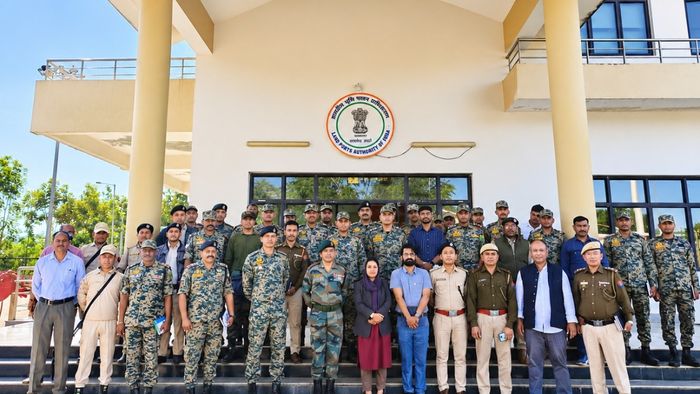
In a major initiative to strengthen efforts against wildlife trafficking along the Indo-Myanmar border, the Manipur Forest Department, Government of Manipur, in collaboration with the Wildlife Trust of India (WTI), organised an Inter-Agency Coordination Meeting at the Integrated Check Post (ICP), Moreh, on Thursday, November 26.
- Nov 26, 2026,
- Updated Nov 26, 2026, 8:53 PM IST
In a major initiative to strengthen efforts against wildlife trafficking along the Indo-Myanmar border, the Manipur Forest Department, Government of Manipur, in collaboration with the Wildlife Trust of India (WTI), organised an Inter-Agency Coordination Meeting at the Integrated Check Post (ICP), Moreh, on Thursday, November 26.
The meeting was attended by around 50 officers and personnel representing various law enforcement agencies, including Manipur Police, Assam Rifles, the Customs Department, the Subsidiary Intelligence Bureau (SIB) and ICP authorities.
Moreh, being a strategically important border town and a major transit and trade hub connecting Northeast India with Southeast Asia through Myanmar, is considered a significant area in addressing cross-border wildlife trafficking. The meeting focused on strengthening surveillance, intelligence sharing and coordination among different enforcement agencies to prevent illegal wildlife trade.
During the technical sessions, Monesh Singh Tomar, Assistant Manager, Wildlife Crime Control Division, Wildlife Trust of India, spoke about wildlife crime trends across India, with special emphasis on Northeast India and Manipur. The sessions covered the identification of commonly trafficked wildlife articles, concealment and transportation methods adopted by traffickers, and the regulatory provisions under the Convention on International Trade in Endangered Species of Wild Fauna and Flora (CITES).
Participants also discussed wildlife trafficking vulnerabilities, sensitive transit points and emerging hotspots along the international border. Emphasis was laid on improving intelligence sharing, strengthening communication between agencies, enhancing surveillance and conducting coordinated enforcement operations.
The meeting concluded with the identification of priority areas and potential action points for sustained cooperation among the participating agencies.
The initiative highlighted the importance of a coordinated and intelligence-driven approach to tackling organised wildlife crime, particularly in sensitive international border areas where effective enforcement requires collective efforts from multiple agencies.
The programme was organised under the Countering Pangolin Trafficking Project, supported by the Pangolin Crisis Fund and the Serenity Trust, as part of WTI's ongoing efforts to strengthen wildlife crime prevention, enforcement capacity and inter-agency collaboration across Northeast India.