Manipur: Kuki bodies condemn killing of Tamenglong farmer, seek independent probe, enhanced security
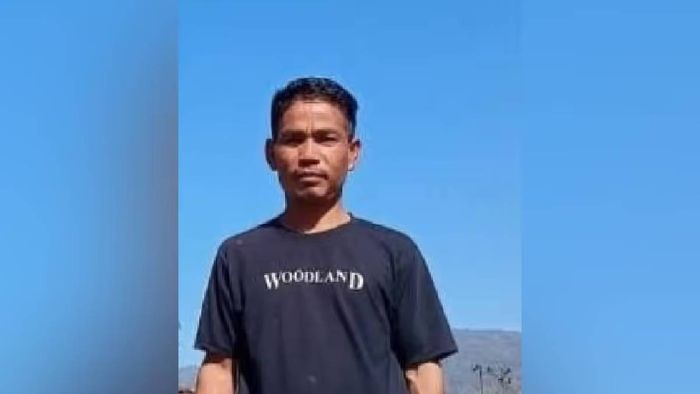
The killing of 45-year-old farmer Haokhogin Lhouvum of Lasan village in Manipur's Tamenglong district has triggered widespread condemnation from Kuki civil society organisations, church leaders, human rights groups and student bodies, which have demanded accountability, enhanced security measures and an independent investigation into the incident.
- Jun 10, 2026,
- Updated Jun 10, 2026, 10:19 PM IST
The killing of 45-year-old farmer Haokhogin Lhouvum of Lasan village in Manipur's Tamenglong district has triggered widespread condemnation from Kuki civil society organisations, church leaders, human rights groups and student bodies, which have demanded accountability, enhanced security measures and an independent investigation into the incident.
Lhouvum was shot dead on June 9 while working in a paddy field near Lasan village along the IT Road. The incident occurred on the same day that 14 Kuki hostages, who had reportedly spent nearly a month in captivity, were released, prompting concerns among community organisations that ongoing peace and reconciliation efforts could be undermined by renewed violence.
The Kuki Inpi Manipur (KIM), the apex body of the Kuki tribes, described the killing as a reflection of serious shortcomings in the state's security arrangements and alleged administrative neglect of Kuki-Zo villages. The organisation questioned why vulnerable villages in Tamenglong district continued to remain exposed despite repeated appeals for security protection.
KIM stated that the incident raised concerns about the effectiveness of existing security measures and the continued vulnerability of Kuki civilians despite the deployment of security forces in the region. The organisation further alleged that Kuki-Zo villages were not receiving adequate security attention and warned that recurring attacks were eroding trust between neighbouring communities while weakening prospects for peace.
The Kuki Organisation for Human Rights Trust (KOHUR) termed the killing a "cold-blooded" act against an unarmed civilian engaged in his livelihood. The organisation alleged that Lhouvum was killed by armed cadres of NSCN-IM and the Zeliangrong United Front (ZUF/ZUF-K), describing the victim as a peace-loving family man survived by his wife and young son.
KOHUR maintained that the incident was part of a broader pattern of violence targeting Kuki civilians and villages across Manipur's hill districts. According to the organisation, at least eleven Kuki civilians have been killed since March this year in separate incidents reported from Ukhrul, Kangpokpi and Tamenglong districts. The organisation also cited attacks and arson incidents in villages including Gamphal, Haijang, Lanchah and Loibol Khullen.
Describing the attacks as serious violations of human rights and humanitarian principles, KOHUR called for an immediate and time-bound investigation, preferably by the National Investigation Agency (NIA), into the killing of Lhouvum and other reported incidents. The organisation also sought increased security deployment in vulnerable villages, compensation and rehabilitation for affected families, and intervention by the Government of India, the Government of Manipur and the National Human Rights Commission.
The Kuki Christian Leaders' Forum (KCLF) expressed concern that the killing had overshadowed what would otherwise have been a day of relief following the release of the 14 Kuki hostages. While welcoming the safe return of the captives, the forum stated that the death of an innocent civilian risked undermining ongoing reconciliation efforts and could deepen fear and mistrust among communities.
The forum appealed to church leaders and community stakeholders to continue working towards peace, healing and long-term conflict resolution in Manipur's hill areas. It also urged all communities to reject violence and promote mutual trust and coexistence.
The Kuki Inpi Sadar Hills (KISH) expressed concern over reports that a team transporting Lhouvum's mortal remains was allegedly denied passage through Makui village while returning to Kangpokpi. According to the organisation, the team was compelled to take an alternative route before eventually reaching its destination.
KISH described the reported obstruction as a humanitarian concern and stressed that respect for the deceased and compassion for grieving families should not be compromised by political or ethnic disputes. The organisation stated that clarification from relevant authorities and community leaders was necessary regarding the reported incident.
The Kuki Students' Organisation (KSO) Twilang Block also strongly condemned the killing, noting that it occurred barely a day after the Director General of Police visited Kangpokpi district to review the prevailing law-and-order situation and security arrangements in vulnerable areas.
The student body argued that the timing of the attack raised serious questions about the effectiveness of the state's security apparatus and highlighted significant security lapses despite recent assurances of vigilance. It stated that the daylight killing of an unarmed farmer in a sensitive area reflected a failure to deter armed violence and protect civilians.
KSO further maintained that Kuki communities residing in the Twilang area and along the IT Road had consistently promoted peaceful coexistence with neighbouring communities. The organisation warned that attacks on civilians threatened communal harmony and could contribute to instability in the region.
The various organisations collectively demanded justice for the slain farmer, accountability for recurring security failures, equal protection under the law for all communities and urgent measures to prevent further violence in Manipur's conflict-affected hill districts.