Manipur microbiologist leads discovery of new fungal species in rare Sikkim medicinal plant
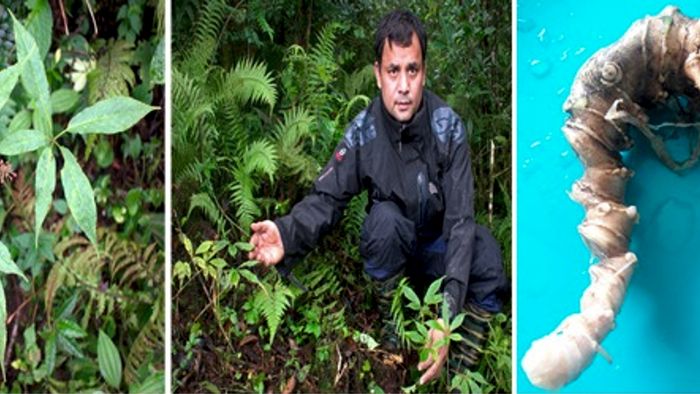
A team of microbiologists led by Manipur scientist Dr Laishram Shantikumar Singh has discovered a novel fungal species associated with the rhizome of Panax sokpayensis, a rare and high-value medicinal plant found in the Sikkim Himalaya.
- Oct 29, 2026,
- Updated Oct 29, 2026, 2:43 PM IST
A team of microbiologists led by Manipur scientist Dr Laishram Shantikumar Singh has discovered a novel fungal species associated with the rhizome of Panax sokpayensis, a rare and high-value medicinal plant found in the Sikkim Himalaya.
The newly identified species, named Mollisia sokpayensia, has been documented in the internationally recognised journal Fungal Diversity in its 2026 publication, Volume 136, as part of the paper titled “Fungal Diversity Notes: Notes on Worldwide New Species and Records”.
The research team comprises Subecha Rai, Gajanan V Mane, Dr Rohit Sharma and Dr Thounaojam Salvia. Both Dr Singh and Dr Salvia hail from Khangabok village in Manipur’s Thoubal district.
The fungus was isolated from a rhizome of Panax sokpayensis collected at Jorbotay in Uttarey, West Sikkim, at an altitude of 1,800–2,300 metres above sea level. The researchers named the species after its host plant, recognising the association between the fungus and the medicinal species.
Slow-Growing Fungus Identified in Laboratory
According to the research findings, the fungus was isolated using Potato Dextrose Agar (PDA), a commonly used medium for cultivating fungi.
The species exhibited notably slow growth under laboratory conditions. At 28°C, its colonies initially appeared cottony and brown, reaching a diameter of 2–3 cm after six days and approximately 8 cm after 14 days. The colonies gradually changed colour from brown to blackish-brown.
The discovery adds to scientific knowledge of fungal diversity associated with medicinal plants in the Indian Himalaya, a region whose microbial resources remain relatively underexplored compared with parts of the Himalayan region on the Chinese side.
Potential for Future Drug Discovery
Fungal endophytes are microorganisms that inhabit the internal tissues of healthy plants without causing visible disease symptoms. They can form associations with their hosts and are increasingly studied for their potential to produce bioactive compounds relevant to medicine, agriculture and biotechnology.
The rhizomes of Panax sokpayensis have traditionally been used for medicinal purposes. Plants belonging to the genus Panax, commonly known as ginseng, are valued in international markets for their medicinal properties.
Researchers believe that studying fungi associated with such plants could help identify microbial resources with potential applications in drug discovery and biotechnology. However, the biological properties and practical applications of Mollisia sokpayensia remain to be investigated through further research.
In the longer term, cultivable endophytes could offer an avenue for exploring useful microbial products without repeatedly harvesting rare medicinal plants from their natural habitats, provided their potential benefits are scientifically established.
DBT-Funded Research Highlights Himalayan Biodiversity
The discovery emerged from an externally funded research project awarded to Dr Singh by the Department of Biotechnology (DBT), Government of India, under grant number DBT/NER/Agri/24/2013.
The findings highlight the scientific importance of documenting the lesser-known microbial diversity of the Sikkim Himalaya, which forms part of the Indo-Burma biodiversity hotspot.
The researchers' work contributes to fungal taxonomy and regional biodiversity research while opening avenues for further investigation into the ecological relationship between medicinal plants and their associated microorganisms.