Manipur police seize illicit liquor, launch ‘Hinchi’ drive to curb poppy cultivation
Manipur police intensify efforts against illegal liquor and poppy cultivation with major seizures and a new drive. Authorities urge community cooperation to ensure safety and strict enforcement
India TodayNE
- Apr 22, 2026,
- Updated Apr 22, 2026, 8:07 AM IST
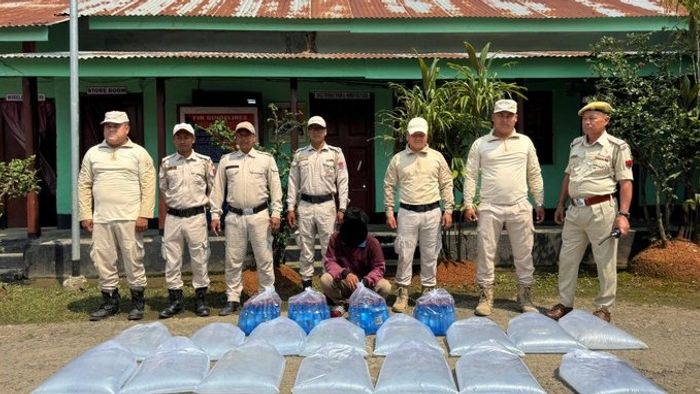
Manipur Police arrested a 26-year-old man from Andro Khunou Leikai during an operation at Mayang Imphal Thongkhong on April 21, seizing a large quantity of illicitly distilled liquor. The accused, identified as Chingakham Nilabir Singh, was found in possession of around 270 litres of DIC liquor along with 80 half bottles, amounting to an additional 40 litres.
Officials said the seized liquor and the accused have been handed over to the Excise Department for further legal action. The operation is part of ongoing efforts to check the circulation of unauthorised alcohol in the state.
Alongside enforcement measures, Manipur Police has also expanded its focus on preventive interventions aimed at reducing illegal poppy cultivation. In collaboration with the Narcotics Control Bureau (NCB), a community-based initiative titled ‘HinChi’ has been rolled out in the Churachandpur district.
The programme targets vulnerable areas where poppy cultivation has been prevalent. Police teams, working with local stakeholders, have engaged village chiefs and 127 households to shift towards alternative and lawful sources of income. The initiative promotes cash crops such as ginger, peas and bananas as sustainable options.
Funding support of Rs 28 lakh has been provided under corporate social responsibility by Chennai-based Segula Technologies.
With these resources, authorities have distributed approximately 55,000 kg of ginger seeds, 450 kg of pea seeds and 6,500 banana saplings among beneficiaries.
Officials said joint teams comprising Manipur Police, NCB and a local non-governmental organisation will carry out periodic monitoring of the project. The aim is to ensure compliance, assist farmers with cultivation practices and facilitate access to markets after harvest.
The twin approach of enforcement and community engagement is being positioned as a long-term strategy to address illicit trade and promote economic stability in affected areas.
MORE NEWS
Read more!