Manipur’s snail curry draws scientific interest as sustainable protein option
Manipur University's study reveals snail curry as a sustainable protein source with environmental benefits. The research promotes traditional foods to tackle food security and nutrition challenges
- Apr 24, 2026,
- Updated Apr 24, 2026, 8:19 AM IST
A traditional dish from Manipur made with freshwater snails is gaining attention from researchers as a potential low-cost, sustainable source of protein, according to a recent study by Manipur University.
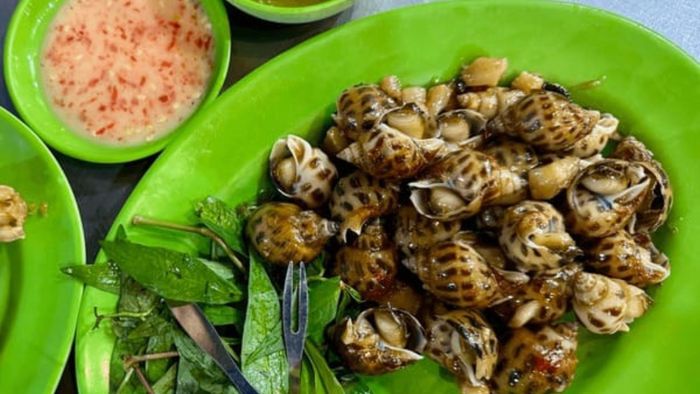
The research examines tharoi thongba, a commonly consumed snail-based curry prepared using indigenous methods and locally sourced ingredients. Typically eaten with rice, the dish reflects a long-standing food tradition that combines nutritional value with established safety practices.
Researchers surveyed 500 people across ten locations in the state and found that while snail consumption remains culturally significant, its frequency has declined. Most respondents cited taste and perceived health benefits as reasons for eating the dish and expressed confidence in traditional preparation techniques, which involve thorough cleaning and proper cooking.
The study also highlights the role of women vendors in maintaining the trade, particularly in markets such as Ima Keithel (Khwairamband Market) and Waithou. Despite steady demand, the sector remains largely informal, facing challenges including seasonal supply fluctuations, lack of storage infrastructure and price instability.
According to the researchers, freshwater snails found in paddy fields and wetlands require minimal resources to harvest, making them an environmentally viable alternative to conventional protein sources such as meat and poultry. This could position the dish within broader discussions on food security and sustainable diets.
However, the study notes that changing food habits and the growing preference for processed foods are contributing to a gradual decline in traditional consumption patterns. A majority of respondents supported efforts to promote snail-based foods, with the authors calling for policy backing, further research and better documentation.
The dish also holds cultural importance, featuring in local traditions and festivals such as Cheiraoba. Researchers say preserving such practices could support more resilient and sustainable food systems.
The study was led by Jinita Lourembam, Aleena Heigrujam and Kshetrimayum Birla Singh.