Why BAFTA removed 'Boong' director's winning speech video from social media?
The British Academy of Film and Television Arts (BAFTA) is facing mounting criticism after it removed the winning speech of Manipuri filmmaker Lakshmipriya Devi from its official social media platforms, days after her film made history by becoming the first Indian winner in the Best Children’s & Family Film category. The move has triggered outrage among artists, activists and netizens, who have termed it an act of “cultural erasure” and demanded immediate reinstatement of the video.
- Feb 28, 2026,
- Updated Feb 28, 2026, 11:17 AM IST
The British Academy of Film and Television Arts (BAFTA) is facing mounting criticism after it removed the winning speech of Manipuri filmmaker Lakshmipriya Devi from its official social media platforms, days after her film made history by becoming the first Indian winner in the Best Children’s & Family Film category. The move has triggered outrage among artists, activists and netizens, who have termed it an act of “cultural erasure” and demanded immediate reinstatement of the video.
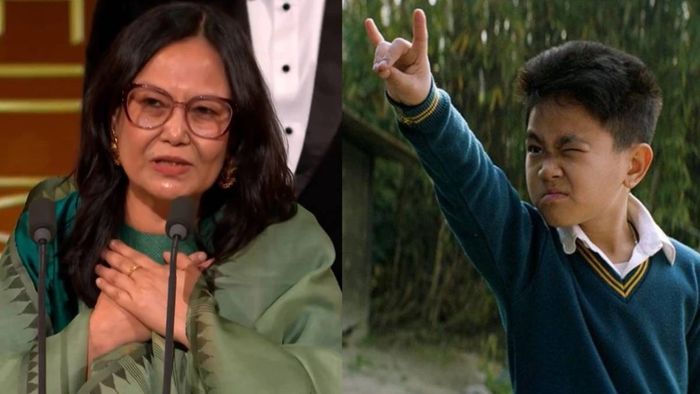
On February 22, Lakshmipriya’s Manipuri-language film Boong etched its name in history at the BAFTA Awards, marking a watershed moment for Indian regional cinema on the global stage. The victory was widely celebrated across India, particularly in Manipur, where the achievement was seen as a powerful affirmation of indigenous storytelling and creative resilience.
However, the celebratory mood has been overshadowed by controversy. Within days of the win, BAFTA removed Lakshmipriya’s acceptance speech from its official accounts on X and Instagram, without offering any public explanation. The speech, delivered in the wake of Manipur’s prolonged ethnic violence, had resonated deeply with audiences for its emotional candour and political context.
During her address, Lakshmipriya described Manipur as “very troubled, ignored and very under-represented in India,” drawing attention to the ethnic conflict that has claimed over 260 lives and displaced tens of thousands since 2023. She dedicated the award to the people of the state and expressed hope that internally displaced children — including the child actors in her film — would “regain their joy, their innocence, and their dreams once again.”
The removal of the speech has sparked widespread condemnation on social media. Prominent voices from civil society have questioned the decision, framing it as an attempt to silence marginalised narratives at an international platform that claims to celebrate diversity and inclusion.
Among the sharpest critics was noted social activist Binalakshmi Nepram, who publicly challenged BAFTA’s move. In a post on X, she wrote: “Dear @BAFTA did you remove the acceptance speech of an Indigenous Woman Director of award winning film from Manipur, BOONG, from your social media accounts @X & Instagram? If yes, erasure of the acceptance speech of Director is tantamount to cultural erasure of Indigenous Peoples & women's voices & must be reinstated immediately. Inclusion and not erasure of our voices and our stories is the way forward.”
The controversy has since snowballed into a larger debate on representation, freedom of expression and the responsibility of global cultural institutions. Many users have demanded transparency from BAFTA, asking whether the removal was politically motivated or in violation of any stated platform guidelines.
As criticism intensifies, BAFTA has yet to issue a formal clarification on the deletion. For many, the episode has cast a shadow over what was meant to be a historic and celebratory milestone — raising uncomfortable questions about whose voices are amplified on the world stage, and whose are quietly erased.