Community drive restores Umshait riverbank in Meghalaya’s Patharkhmah
Local community in Meghalaya restores Umshait riverbank to prevent erosion and protect environment. The initiative highlights increased awareness towards environmental conservation
- Mar 23, 2026,
- Updated Mar 23, 2026, 3:44 PM IST
A citizen-led clean-up effort in a remote subdivision of Meghalaya's Ri Bhoi district has highlighted the growing role of community participation in local governance and environmental protection.
The initiative unfolded in Patharkhmah, a relatively new administrative subdivision along the Assam–Meghalaya border. Despite its strategic location as a transit corridor, the town had remained largely overlooked in terms of civic upkeep. A key concern was the deteriorating condition of the Umshait River, where plastic waste and litter had accumulated over time, posing environmental and public health risks.
Authorities responded by issuing an order banning littering and warning of penalties. However, with limited manpower and resources, the administration turned to the community for support. Local leaders, youth clubs and social organisations were mobilised, with residents encouraged to take ownership of the river and its surroundings.
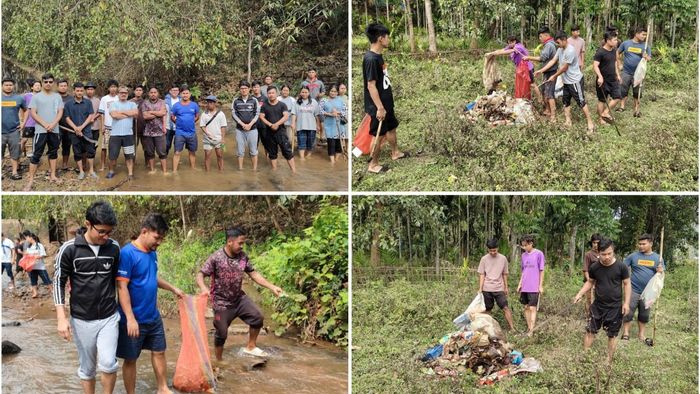
The response was significant. On a Sunday morning, residents gathered in large numbers to clean the riverbed and surrounding areas. Volunteers, including youth groups and local organisations, worked collectively to remove waste and restore the natural landscape. Within hours, visible changes were evident, with the river stretch cleared and the area significantly improved.
Officials described the effort as an example of participatory governance, where public cooperation compensates for administrative constraints. Plans are now underway to sustain the momentum through volunteer-driven initiatives, including the formation of a dedicated “green force” and further beautification drives.
The episode underscores how grassroots engagement can complement policy measures, particularly in regions with limited institutional capacity. It also reflects a broader demographic reality in Meghalaya, where a young population is increasingly shaping local development outcomes.
No public funds were utilised for the clean-up, reinforcing the model of community-led action. Residents expressed appreciation for administrative outreach, while officials noted that such partnerships could serve as a template for similar interventions across the state.