How a Meghalaya man's childhood game became a life of living bridges
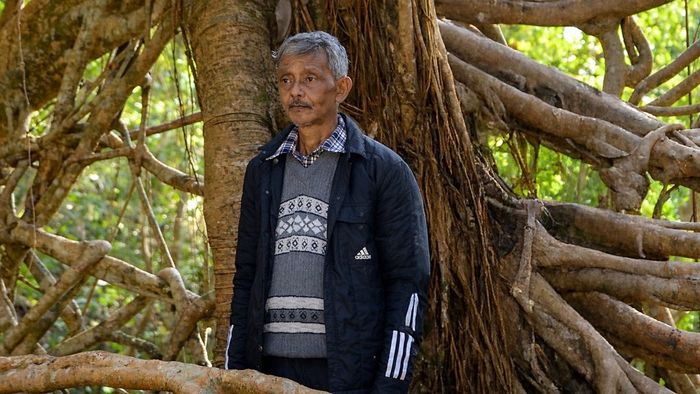
Hally War was barely 10 years old when he first started weaving the aerial roots of rubber fig trees in his village of Siej in Meghalaya's East Khasi Hills district. What began as child's play has become an extraordinary conservation effort spanning decades—one that has now earned him the Padma Shri.
- Jan 29, 2026,
- Updated Jan 29, 2026, 10:12 AM IST
Hally War has spent decades nurturing Meghalaya's living root bridges, turning childhood play into an extraordinary conservation effort that earned him a Padma Shri
Hally War was barely 10 years old when he first started weaving the aerial roots of rubber fig trees in his village of Siej in Meghalaya's East Khasi Hills district. What began as child's play has become an extraordinary conservation effort spanning decades—one that has now earned him the Padma Shri.
"At first, it was like a game for us children, helping the roots grow in the right direction. Later, I realised that these bridges are not just useful, they are part of who we are," War said.
His grandfather taught him the ancient tradition, and War spent his childhood planting and guiding roots just for fun, inspired by the elders who practised this age-old method of bio-engineering. But casual curiosity grew into something far more significant.
War has dedicated his life to nurturing and guiding the aerial roots of Ficus elastica trees, creating sustainable bridges that can last 600 years and thrive in Meghalaya's humid, monsoon-heavy climate. Over the decades, he has helped maintain and strengthen several living root bridges in and around Siej village, whilst mentoring younger villagers on how to protect the surrounding ecosystem.
"These bridges take many years to become strong. If we do not care for them, we will lose something that cannot be replaced by concrete," he said.
The process requires patience and intimate knowledge of nature. War trains the roots of rubber fig trees to grow across rivers and ravines, guiding them over years until they form sturdy natural pathways. These aren't merely functional structures—they represent centuries of indigenous wisdom about working with nature rather than against it.
The recognition, War said, feels both humbling and encouraging. "I never imagined that the work we do in our village would be recognised at the national level. I am grateful and happy that people are now understanding the value of our traditional knowledge."
But he insists the award isn't his alone. "This honour belongs to my village and to our forefathers who taught us to live with nature, not against it," War said. The Padma Shri, he believes, belongs to the entire community that has safeguarded this tradition for generations.
The living root bridges, known locally as Jingkieng Jri, are found mainly on the southern slopes of the Khasi and Jaintia Hills. They draw visitors from across the world, a testament to their unique blend of human ingenuity and nature. India has formally submitted the nomination dossier for the Jingkieng Jri/Lyu Chrai cultural landscape to UNESCO, marking a significant step in recognising indigenous heritage from the Northeast on the global stage.
The bridges are currently on UNESCO's World Heritage Centre Tentative List and will be examined for possible inscription during the 2026–27 evaluation cycle.
Meghalaya Chief Minister Conrad K Sangma visited the living root bridge at Siej last year, highlighting its importance as a symbol of the state's culture and ecological wisdom. Recalling his meeting with War, Sangma noted: "His profound knowledge, deep respect for nature, and unwavering community spirit make him a truly deserving recipient of this prestigious honour."
Union Finance Minister Nirmala Sitharaman also visited Siej last year, praising the community's indigenous ecological practices. "At a time when the world is searching for sustainable solutions, the people here have shown what is possible by working with nature," Sitharaman had said, lauding the community's commitment to conservation.
For War, who transformed childhood curiosity into a lifetime of conservation, the award represents validation of a way of life that modern civilisation is only beginning to appreciate. What started as a game has become a bridge—not just across rivers, but between generations and between humanity and nature itself.