Meghalaya Assembly unanimously rejects uranium mining across state
The Meghalaya Assembly unanimously passed a resolution opposing uranium exploration, mining and processing in the state. The move underlined environmental, land rights and consent concerns around the proposed KPM project.
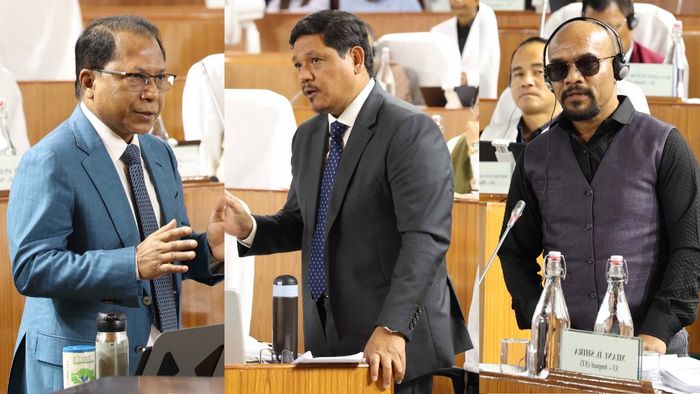
- Aug 26, 2026,
- Updated Aug 26, 2026, 6:14 PM IST
The Meghalaya Assembly on August 26 unanimously opposed uranium exploration, mining and processing in the state, with all 60 MLAs backing a resolution moved by Chief Minister Conrad K Sangma.
The resolution called on the Centre, the Department of Atomic Energy and Uranium Corporation of India Ltd (UCIL) not to permit or undertake uranium mining anywhere in Meghalaya, including the proposed Kylleng-Pyndengsohiong-Mawthabah (KPM) project in West Khasi Hills.
Moving the resolution, Sangma said Meghalaya has significant uranium deposits but past efforts by the Centre to explore and mine the mineral had faced opposition from communities across the state.
He said the resolution was intended to make the position of the state government, elected representatives and people clear on uranium mining.
Sangma pointed to uranium deposits identified at Domiasiat, Wahkyn and Lostoin in West Khasi Hills and South West Khasi Hills. The KPM project envisages open-cast mining along with an ore processing plant.
The chief minister also raised concerns over the area's geography and environmental risks. He said the proposed mining zone receives heavy rainfall, has steep terrain and is vulnerable to landslides. The area also forms the catchment of several streams and rivers that support drinking water supplies, agriculture and local livelihoods.
Sangma said there were also concerns over the long-term management of mining waste, including overburden, mill tailings and process effluents, under such conditions.
The resolution further noted sustained opposition from traditional institutions, autonomous district councils, student bodies, civil society organisations and elected representatives. It said the affected communities had not given their "free, prior and informed" consent to uranium mining.
Sangma also referred to a 2019 Supreme Court judgment concerning land rights in Meghalaya, saying landowners have rights over both surface and sub-soil resources, including minerals.
Another concern raised in the resolution was a September 8, 2025, Office Memorandum issued by the Ministry of Environment, Forest and Climate Change. The memorandum exempted mining projects involving atomic minerals from public consultation requirements under the Environment Impact Assessment Notification, 2006.
Sangma said uranium mining had affected the health of communities in other parts of the country and argued that Meghalaya's position should be clear for future generations.
The resolution received support across party lines, including from Leader of the Opposition Mukul Sangma of the Trinamool Congress and MLAs of the Voice of the People Party.