Meghalaya HC quashes POCSO case after marriage, orders aid for survivor and child
The Meghalaya High Court has quashed a POCSO case after the survivor married the accused and the couple began living together with their daughter. It also ordered authorities to extend welfare support and help the woman pursue education or vocational training.
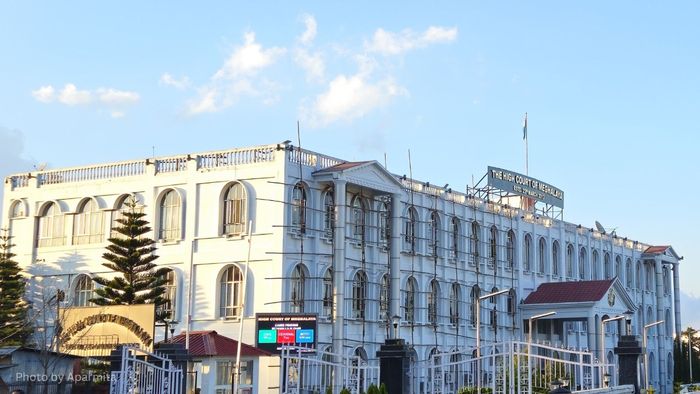
- Jul 30, 2026,
- Updated Jul 30, 2026, 11:23 AM IST
The Meghalaya High Court has quashed a Protection of Children from Sexual Offences (POCSO) case against a 27-year-old man after noting that he had married the survivor, the couple were living together and had a four-year-old daughter. The court also directed authorities to ensure that the woman and her child receive all eligible government benefits and assistance.
The criminal petition was jointly filed by the accused and the survivor seeking the quashing of an FIR registered at the Ri-Bhoi Women Police Station in 2021, along with the proceedings pending before the Special Judge (POCSO), Ri-Bhoi. The petition stated that the survivor was a minor and pregnant when the FIR was lodged. After attaining the age of majority, she began living with the accused, and the two formally married before the Marriage Registrar at Nongpoh in March 2026.
A report submitted by the Secretary of the High Court Legal Services Committee found that the couple were living together with their four-year-old child. It also noted that the woman had enrolled in a diploma course in Laboratory Technology but had to discontinue her studies because of the ongoing criminal case. The report said she wished to resume her education or pursue law and was also interested in vocational training in tailoring. It further recorded that she had "no objection to the quashing of the proceeding" against her husband.
While allowing the petition, the court relied on its earlier ruling in Shalenbor Wahtang vs State of Meghalaya, which discussed the prevalence of adolescent consensual relationships in the state and the need to consider social realities in exceptional cases. The judgment observed that "the ground realities in the State of Meghalaya cannot be ignored", referring to consensual adolescent relationships that often culminate in early marriage or couples living together with children.
The court reiterated that quashing a POCSO case by consent is permissible in exceptional circumstances, provided the survivor's consent is informed and voluntary, and factors such as marriage, the welfare of the child and verification by legal authorities are taken into account. It stressed that "there cannot be any straitjacket formula" and that each case must be decided on its own facts.
Referring to the balance between enforcing the law and addressing individual circumstances, the court noted that although offences under the POCSO Act are offences against society, "the administration or enforcement of the law cannot be divorced from lived realities". It further observed that where a couple are married or recognised as living together with children, sending the man to jail could cause "greater injustice to the victim and the child" than allowing the family to remain together.
Taking note of the report and the couple's present circumstances, the court held that it would not be appropriate for the trial to continue. It consequently quashed the FIR and the pending POCSO proceedings.
The High Court also directed that the survivor and her daughter be extended benefits under various Central and state welfare schemes, including the Nirbhaya Fund scheme for POCSO victims, Mission Vatsalya, the Meghalaya Victim Compensation Scheme, Ayushman Bharat-PMJAY, Mission Shakti and other applicable programmes.
It instructed the District Legal Services Authority and the District Child Protection Officer in Ri-Bhoi to assist the woman in pursuing higher education or vocational training within eight weeks.