Meghalaya leads nation as 86 per cent schools declared tobacco-free
The milestone comes amid persistent public health concerns, with nearly 8,000 tobacco-related deaths reported annually and 47 per cent of adults aged 15 and above consuming tobacco, as per the Global Adult Tobacco Survey (2017).
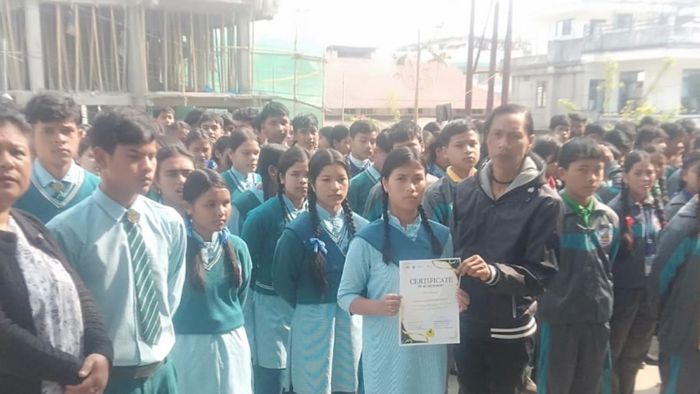
- Mar 22, 2026,
- Updated Mar 22, 2026, 10:44 AM IST
Meghalaya has recorded the highest share of tobacco-free schools in the country, with 86 per cenr of educational institutions meeting the Tobacco Free Educational Institutions (ToFEI) criteria, according to state officials. The milestone comes amid persistent public health concerns, with nearly 8,000 tobacco-related deaths reported annually and 47 per cent of adults aged 15 and above consuming tobacco, as per the Global Adult Tobacco Survey (2017).
The programme, launched three years ago under the National Health Mission, focuses on early prevention by targeting school environments. It is being implemented jointly by the state’s health and education departments along with Sambandh Health Foundation, aiming to cover all schools across Meghalaya.
Under guidelines issued by the Ministry of Health and Family Welfare, schools must complete nine anti-tobacco measures each year, assessed through a 100-mark scorecard. Institutions scoring at least 80 marks are certified as tobacco-free. Measures include installing anti-tobacco signage, organising awareness campaigns and student-led rallies, and enforcing compliance with tobacco control norms on campus.
Officials said nearly 10,000 schools participate annually in activities such as rallies and signature campaigns, contributing to wider awareness and behavioural change among students.
State ToFEI Nodal Officer Jennyfer Jones Synrem described the development as “a powerful public health victory for our children”, adding that it strengthens the vision of a “tobacco-free Meghalaya”. She said coordinated efforts between government systems, schools and communities had enabled “transformative outcomes”.
Highlighting the urgency of early intervention, State Nodal Officer for the National Tobacco Control Programme Nabaneeta D Mawrie said “34 per cent children aged 13 to 15 years consume tobacco in some or the other form” based on the Global Youth Tobacco Survey. “Schools shape lifelong behaviours,” she said, adding that embedding prevention within the education system is key to protecting future generations.
Authorities credited sustained monitoring and coordination across district and block levels, supported by a digital implementation model developed by Sambandh Health Foundation, for the programme’s reach.
The state’s performance is now being seen as a benchmark for tobacco control efforts in schools nationwide, with officials indicating that expanding coverage to all institutions remains the next target.