Meghalaya marks East Garo Hills' 50th anniversary with new infrastructure projects
Meghalaya Chief Minister Conrad K Sangma inaugurated road projects and laid foundations for police and rental housing facilities during East Garo Hills' golden jubilee. The initiatives aim to improve connectivity, security, public services and livelihoods across the district.
- Oct 30, 2026,
- Updated Oct 30, 2026, 11:02 AM IST
East Garo Hills marked its 50th anniversary with the inauguration of road infrastructure projects worth Rs 47.60 crore and the launch of new developments focused on security and affordable housing.
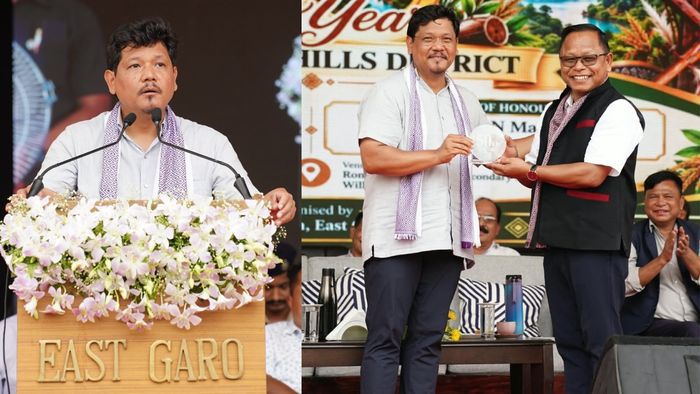
Meghalaya Chief Minister Conrad K Sangma attended the Golden Jubilee celebrations in Williamnagar on October 29, highlighting the district's five-decade journey and the need to strengthen infrastructure and public services.
Among the key projects inaugurated were upgraded internal roads in Williamnagar, the widened Rongrenggre-Simsanggre-Nengkhra Road and interlocking concrete-block roads. The Rongongre Bridge on the Chekwebira-Rongbing Boldak road was also inaugurated.
The three road projects cover approximately 24.39 km and involve an investment of Rs 47.60 crore. They are expected to improve connectivity, road safety and access to essential services across the district.
The Chief Minister also laid the foundation stone for the Commandant's Office of the 5th Battalion of Meghalaya Police (3rd IRBn) at Samanda. The facility is intended to support personnel involved in internal security, counter-insurgency operations, disaster management and law-and-order duties.
A foundation stone was also laid for Middle Income Group (MIG) rental housing units worth Rs 3.60 crore.
Named after Meghalaya's first Chief Minister, Captain Williamson A Sangma, Williamnagar serves as the headquarters of East Garo Hills district.
In a message shared on social media on October 29, Conrad Sangma said the district's 50-year journey reflected the vision of bringing administration and development closer to the people. He also acknowledged the contributions of elders, local leaders and Nokmas, and reiterated the need to strengthen education, healthcare, connectivity and livelihood opportunities.