Meghalaya opens Mawjymbuin Cave for daily worship with environmental safeguards
Meghalaya opens Mawjymbuin Cave for worship with eco-friendly measures. Visitors must follow guidelines to protect the cave's ecosystem
- Jan 05, 2025,
- Updated Jan 05, 2025, 6:14 PM IST
The Meghalaya government has established daily visiting hours at the Mawjymbuin Cave Shivling in Mawsynram, following a stakeholder meeting with local authorities and religious representatives. The cave will now be open to devotees from 9 am to 5 pm throughout the year.
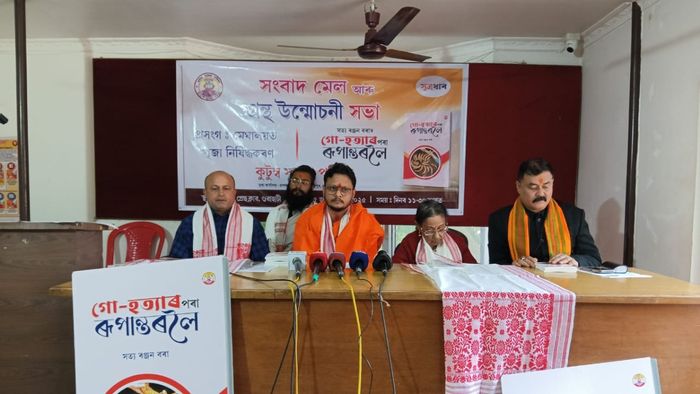
"We acknowledge the efforts of Meghalaya government and extend our sincere thanks to them for making the shivling available for devotees," said Satya Ranjan Borah, President of Kutumba Surakshya Parishad (KSP), in a press release issued today.
The decision comes with strict environmental protection measures. The authorities have prohibited the use of dias and dhup inside the cave to preserve its natural formation. "Protection of Nature and Natural resources have always been our utmost priority for the believers of Sanatana Dharma," the release stated.
Visitors must also follow specific guidelines, including maintaining cleanliness and peace around the cave. The administration has explicitly banned activities such as playing loud music, smoking, and alcohol consumption in the vicinity.
"This time is very tough for the earth. We have to work together to save and protect it," Borah emphasized, highlighting the balance between religious practices and environmental conservation.
The naturally formed Shivling, located in the East Khasi Hills district, has gained significance as a symbol of religious harmony in the region. Local authorities have worked with various stakeholders to ensure respectful access while preserving the cave's natural environment.
"The almighty has no religion," Borah noted, calling for an inclusive approach to the site's management and encouraging visitors to understand "the core values of Sanatana Dharma and the inclusiveness of it."
The KSP has also submitted detailed recommendations to Chief Minister Conrad K Sangma through the Deputy Commissioner's office, focusing on sustainable management practices and the equitable distribution of offerings among local communities.