Meghalaya records 85 per cent rainfall deficit in October after deficient monsoon: IMD
Meghalaya received just 38.3 mm of rain in October, 85 per cent below normal. The prolonged deficit has intensified concerns over spring-fed drinking water supplies.
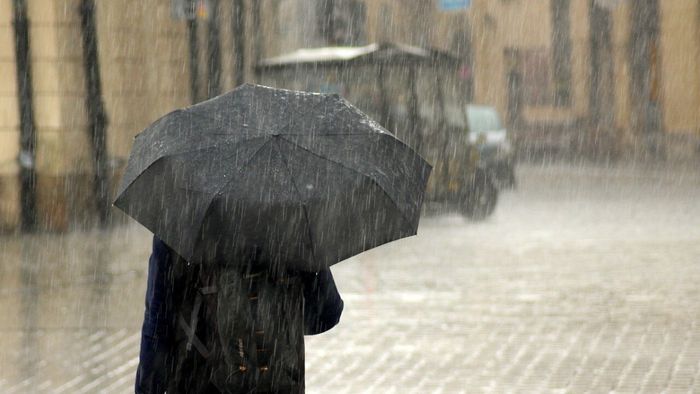
- Nov 02, 2026,
- Updated Nov 02, 2026, 4:54 PM IST
Meghalaya recorded an 85 per cent rainfall deficit in October, receiving just 38.3 mm of rain against the monthly normal of 255 mm, according to the India Meteorological Department (IMD) on November 2. The sharp shortfall follows an already deficient southwest monsoon, raising concerns over the state's water security.
The state received 1,077.1 mm of rainfall between June and September, against the seasonal normal of 2,695.3 mm, marking a 60 per cent deficit during the four-month monsoon period.
The rainfall shortfall worsened as the monsoon progressed. Meghalaya recorded a 9 per cent deficit in July, which increased to 38 per cent in August. During August, the state received 359.7 mm of rainfall against the normal of 581.6 mm, IMD data showed.
The October rainfall report paints a grim picture across the state, with all 11 districts recording 'large deficient' rainfall. The deficits ranged from 74 to 93 per cent, indicating that the rainfall shortage was widespread rather than confined to a few pockets.
East Jaintia Hills and North Garo Hills recorded the highest deficits at 92 per cent each, followed by East Khasi Hills at 91 per cent. West Garo Hills registered an 86 per cent shortfall, while South West Khasi Hills and West Khasi Hills recorded deficits of 84 per cent each.
East Garo Hills recorded an 81 per cent deficit, followed by West Jaintia Hills at 80 per cent. Ri Bhoi and South Garo Hills registered shortfalls of 74 per cent each, while South West Garo Hills recorded a 93 per cent deficit.
The IMD classifies rainfall deficits between 60 and 99 per cent as 'large deficient'.
The prolonged shortage has raised concerns over the availability of drinking water, particularly as several communities in Meghalaya depend on natural springs for their daily supply.
Chief Minister Conrad K Sangma has previously acknowledged that several projects under the Jal Jeevan Mission were facing water-supply challenges due to declining or drying sources, changing rainfall patterns and climatic conditions.
As a hill state, Meghalaya relies heavily on spring-fed water sources, many of which are vulnerable to prolonged periods of below-normal rainfall. The weakening of these sources could further complicate efforts to ensure a reliable drinking water supply, particularly during the non-monsoon months.
The Public Health Engineering Department has identified the vulnerability of natural springs as a key concern. It has mapped around 55,000 springs across more than 70,000 springsheds and identified 785 critical water sources for rejuvenation.
The widening rainfall deficit, coupled with concerns over declining spring discharge, has brought renewed attention to the need for protecting and reviving these water sources.