Meghalaya villages affected by coal mining turn to land restoration, alternative livelihoods
Communities in Meghalaya's South Garo Hills are restoring coal mining-affected land through MegLIFE. Women-led citronella cultivation and essential oil processing are creating alternative livelihoods.
- Nov 11, 2026,
- Updated Nov 11, 2026, 9:28 PM IST
Coal mining-affected villages in Meghalaya's South Garo Hills are seeing efforts to restore degraded land while creating alternative sources of income for local communities, with women playing a key role in several initiatives.
The transformation is being driven through community-led interventions under the Meghalaya Livelihoods and Access to Markets Project (MegLIFE), which has restored 84.77 hectares of degraded land in Dobakol Awemong and Agrenggitim villages under Siju Community and Rural Development Block.
During a press tour organised by the Directorate of Information and Public Relations (DIPR) for journalists from Shillong, the team visited the restoration sites and a citronella plantation at Nangalbibra to assess the progress of the initiatives.
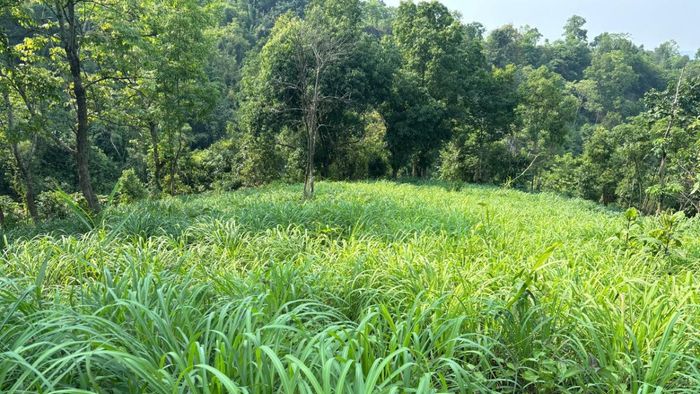
Of the 84.77 hectares restored, 70.83 hectares have been brought under Assisted Natural Regeneration (ANR), with 400 saplings planted per hectare to encourage vegetation growth. The remaining 13.94 hectares have been used for cultivating aromatic grasses, including citronella and lemongrass.
A major component of the project is the citronella plantation in Agrenggitim, which began in 2023 with around seven lakh citronella slips spread across 13.94 hectares. Women from the village have been actively involved in the plantation and its upkeep.
The restoration work is being carried out in phases. Aromatic grass cultivation was introduced initially to help rehabilitate the degraded soil, while tree plantation activities began in 2025 to support the gradual regeneration of the landscape.
The project has also established a distillation unit to process citronella and other aromatic grasses into essential oils, adding value to the produce and opening up another source of income for residents. Villagers have received training to operate and manage the facility, while market linkages have been developed to facilitate the sale of the finished products.
Beyond livelihood generation, the restoration work is also aimed at improving soil quality and conserving water. Officials said improvements in local water bodies and a reduction in siltation had been observed in areas covered by the initiative.
The interventions in Dobakol Awemong, Agrenggitim and Nangalbibra are part of efforts to rehabilitate areas affected by coal mining and help communities develop livelihood options that are less dependent on mining.