Meghalaya zoo records first breeding success of vulnerable stump-tailed macaque
Meghalaya State Zoo has recorded its first successful breeding of a vulnerable stump-tailed macaque. Officials said the birth strengthens ex-situ conservation and reflects scientific zoo management.
- Jun 19, 2026,
- Updated Jun 19, 2026, 4:20 PM IST
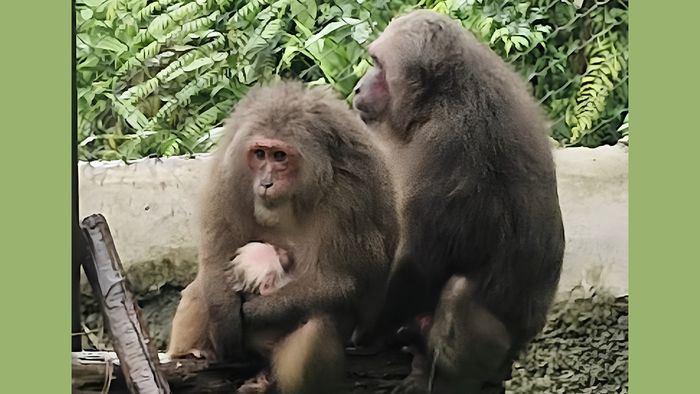
Meghalaya State Zoo has recorded its first successful breeding of the vulnerable Stump-tailed Macaque (Macaca arctoides), marking a significant step in the conservation of the species within the state's zoological facilities.
The newborn macaque was born to a breeding pair brought to the zoo from Aizawl Zoological Park in Mizoram under an animal exchange programme. Zoo authorities said the successful birth indicates that the animals have adapted well to their new environment and reflects sustained efforts in animal care, veterinary management and scientific breeding practices.
Listed as Vulnerable on the International Union for Conservation of Nature (IUCN) Red List, the Stump-tailed Macaque faces growing threats from habitat loss, forest fragmentation and human interference across its range.
Officials said the birth strengthens ongoing ex-situ conservation efforts aimed at maintaining healthy populations of threatened wildlife under managed conditions. The newborn is reported to be healthy and remains under regular observation by the zoo's veterinary team while staying with its mother and the troop.
Principal Chief Conservator of Forests (Wildlife & Biodiversity) and Chief Wildlife Warden of Meghalaya, D. Sathiyan, described the development as an important outcome of the state's conservation initiatives. He said the successful breeding reflects Meghalaya's commitment to scientific zoo management and the conservation of threatened species.
He added that such achievements also help raise public awareness about the role of modern zoological institutions in protecting wildlife and supporting long-term conservation efforts.