ZSI scientists discover rare pair of jumping spider species in Meghalaya
A research team from the Zoological Survey of India has confirmed the discovery of two previously unknown jumping spider species in the state, a finding scientists say highlights major gaps in biodiversity studies across Northeast India.
- Dec 10, 2025,
- Updated Dec 10, 2025, 9:00 PM IST
A research team from the Zoological Survey of India has confirmed the discovery of two previously unknown jumping spider species in the state, a finding scientists say highlights major gaps in biodiversity studies across Northeast India.
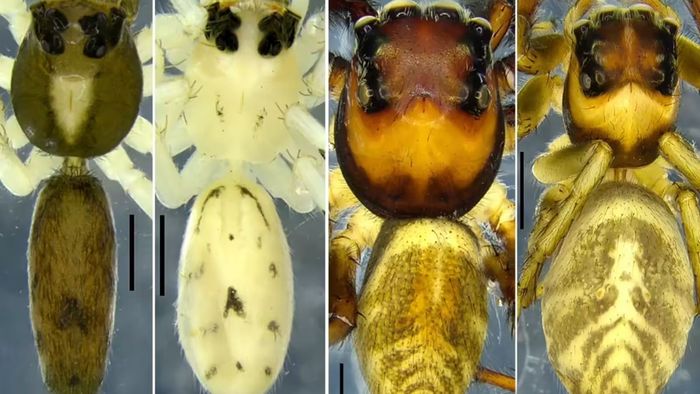
ZSI researchers identified the species Asemonea dentis and Colyttus nongwar, both belonging to the Salticidae family, noted for their agile hunting style that relies on stalking and leaping rather than spinning webs.
Lead researcher Souvik Sen said the discoveries point to how little of the region’s wildlife has been formally recorded. He described the new species as “a small indication of the Northeast’s extraordinary biodiversity”, adding that far more species likely remain undocumented due to limited systematic surveys.
ZSI Director Dhriti Banerjee said the findings underline the urgency of expanding scientific exploration in the region. She described Meghalaya’s forests, sacred groves and cliffs as “irreplaceable ecological assets” that warrant deeper study.
The discovery of Asemonea dentis marks only the third known Indian species within its genus. Researchers named it for the tooth-like projection on the male palpal femur, a distinctive feature used for identification. Males have a greenish-brown body with a pale yellow V-shaped mark on the abdomen, while females are creamy white with black patterning.
The second species, Colyttus nongwar, is only the second record of its genus in India and is named after Nongwar village, where it was located.
ZSI officials said the findings demonstrate the scientific value of Meghalaya’s underexplored landscapes and the need for continued field surveys to document India’s natural heritage.