Nagaland CM calls for stronger ILP enforcement, protection of indigenous identity
Nagaland Chief Minister Neiphiu Rio on June 26 reaffirmed the state's commitment to safeguarding the indigenous identity of the Nagas and called for stronger implementation of the Inner Line Permit (ILP) system through the collective efforts of village councils, institutions and the public.
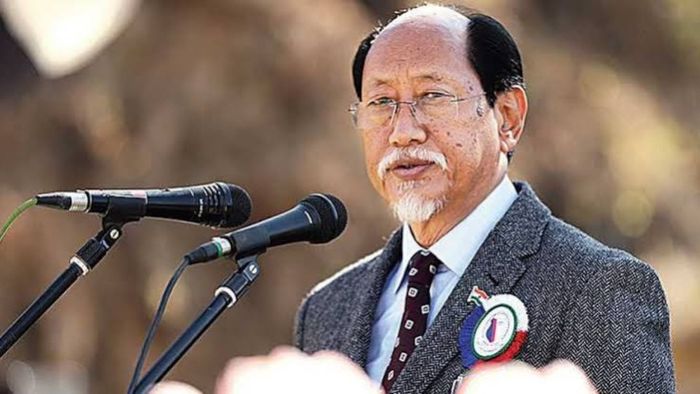
- Jun 26, 2026,
- Updated Jun 26, 2026, 11:04 PM IST
Nagaland Chief Minister Neiphiu Rio on June 26 reaffirmed the state's commitment to safeguarding the indigenous identity of the Nagas and called for stronger implementation of the Inner Line Permit (ILP) system through the collective efforts of village councils, institutions and the public.
Addressing a gathering after inaugurating the Kohima Village Multipurpose Building, Rio said constitutional safeguards under Article 371A and the Bengal Eastern Frontier Regulation (BEFR), 1873, have played a crucial role in preserving Naga customary laws, traditions and the village governance system.
He stressed that these special protections must continue to be upheld to safeguard Nagaland's unique identity.
The chief minister said village councils remain the sole competent authorities to certify whether a person is indigenous to a particular village. While acknowledging that non-locals can legally reside and work in Nagaland, he asserted that they cannot be granted indigenous status.
Rio urged village councils, landlords, employers, educational institutions and other stakeholders to ensure proper documentation of non-local residents to strengthen ILP enforcement and prevent the misuse of indigenous certificates.
Calling for public cooperation in the 2027 Census, the chief minister said accurate population data is essential for effective planning and equitable allocation of resources.
Referring to previous census exercises, he said inflated population figures had adversely affected development planning, particularly in sectors such as education and welfare. He appealed to civil society organisations, churches, village councils and citizens to ensure that the upcoming census accurately reflects the state's population.
Defending Nagaland's traditional system of village governance, Rio said village councils should continue to function through consensus and selection rather than elections, arguing that the traditional model promotes unity, while electoral contests could create divisions within villages.
Describing the newly inaugurated Kohima Village Multipurpose Building as a symbol of unity and brotherhood, he said the facility would serve not only the residents of Kohima Village but all Nagas by providing a common venue for cultural, social and community events.
He commended the Kohima Village Council for successfully executing the project with financial support from the Centre and the state government and announced that additional funds would be provided to equip the building with furniture, sound systems and other facilities.
The chief minister also encouraged young people to make use of government skill development, entrepreneurship and micro-financing schemes, stating that financial assistance is available for trained entrepreneurs to establish businesses.
Highlighting the Chief Minister's Health Insurance Scheme (CMHIS), Rio said more than 1.7 lakh beneficiaries have been enrolled under the programme, with the state spending over Rs 228 crore on cashless treatment. He urged eligible citizens to take full advantage of the scheme.
Earlier, Rio described the inauguration of the multipurpose building as a historic milestone for Kohima Village, calling it a centre of Naga history that has demonstrated unity and visionary leadership in creating infrastructure for the benefit of people across the state.