Nagaland CM urges Amit Shah to reconsider FCRA amendments, seeks parliamentary panel review
Neiphiu Rio has asked Amit Shah to reconsider the proposed FCRA amendments and send the Bill to a parliamentary committee. He said the changes could deepen compliance burdens for churches and affect welfare work across Nagaland.
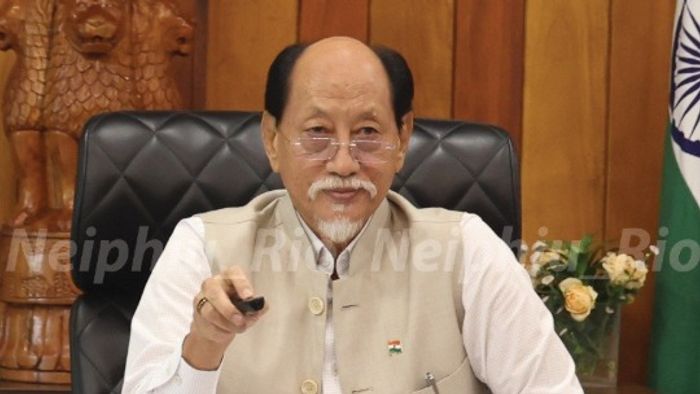
- Aug 11, 2026,
- Updated Aug 11, 2026, 12:00 PM IST
Nagaland Chief Minister Neiphiu Rio has urged Union Home Minister Amit Shah to reconsider the proposed amendments to the Foreign Contribution (Regulation) Act (FCRA), saying the changes could increase the burden on churches and Christian charitable organisations and affect education, healthcare and social welfare programmes in the state.
In a letter to Shah on Monday, August 10, Rio proposed that the FCRA Amendment Bill, 2026, be referred to a parliamentary committee for comprehensive examination and that representatives of relevant stakeholders be given an opportunity to present their views.
According to Rio, such a process would help address genuine concerns, remove apprehensions and build public confidence while ensuring transparency, accountability and protection of national interest.
He said the move would demonstrate an “inclusive and positive approach” by the NDA government and reaffirm India's commitment to constitutional values, secular ethos and respect for the rights and contributions of all communities.
The FCRA Amendment Bill, 2026, was introduced in the Lok Sabha on March 25 and is likely to be taken up for discussion during the ongoing Monsoon session of Parliament.
Rio said various sections of society, particularly the Christian community, had raised concerns over the proposed changes. He noted that the Nagaland Baptist Church Council (NBCC) and the Bishop of Kohima had also submitted representations to the Union Home Minister, highlighting difficulties faced by churches and associated charitable organisations.
The chief minister said he had held consultations with Christian leaders and met NBCC leaders and representatives of the Bishop of Kohima on August 9. During the discussions, they conveyed concerns over challenges faced by churches and Christian organisations in carrying out their activities and humanitarian services.
Pointing out that more than 90 per cent of Nagaland's population is Christian, Rio said churches have historically played an important role in the state's spiritual and community life and have contributed significantly to education, healthcare, poverty alleviation, social welfare and livelihood support.
He said several educational, healthcare, humanitarian and social-service activities, particularly in remote and economically weaker areas, have been supported through legitimate foreign contributions, partnerships and assistance.
According to Rio, increasingly stringent FCRA regulatory and compliance requirements have already imposed considerable financial and administrative burdens on churches and charitable organisations.
The proposed amendments, if implemented in their present form, could further compound these difficulties and adversely affect ongoing welfare, educational, healthcare and social-service programmes, he said.
Rio also expressed concern that smaller grassroots institutions with limited resources could be disproportionately affected while providing services to remote and underserved communities.
He further raised concerns over reports that FCRA renewal applications of some Christian organisations had been rejected on grounds related to the alleged use of foreign contributions for religious conversion.
Given Nagaland's demographic context, such cases should be examined carefully and individually based on the actual nature and purpose of the organisations' activities, Rio said.
He urged the Centre to review cases where renewal applications had been denied and ensure that legitimate charitable, educational, healthcare and social-welfare activities are not inadvertently affected by broad or generalised assumptions.
The chief minister also highlighted the humanitarian role played by churches and Christian organisations during natural calamities and emergencies.
He cited their relief efforts during floods and landslides in the state and their contribution during the COVID-19 pandemic, when churches and Christian institutions mobilised resources, infrastructure and volunteers to support communities and government agencies.
Rio also referred to the more than 150-year history of Christianity and the Church in Nagaland and its longstanding links with the global Christian community.
He noted the historical relationship between the Baptist movement in Nagaland and the Baptist community in the United States, while pointing out that the Catholic Church and other Christian denominations have also maintained longstanding links with churches, missions and organisations in India and abroad.
According to Rio, Christian missions and institutions have contributed to Nagaland's development for more than a century, including periods before the state attained statehood, when modern institutions and infrastructure were limited.
He said churches reached remote communities with education, healthcare and humanitarian assistance, contributing to literacy, social progress and human development.
Rio further said Christian institutions have made significant contributions to nation-building through schools, colleges, universities, hospitals, healthcare facilities, charitable institutions and social-service organisations serving people irrespective of religion or social background.