Neiphiu Rio calls for strengthening Naga unity across political and cultural lines
Nagaland Chief Minister Neiphiu Rio on March 25 emphasised the need to strengthen Naga unity across political, cultural and social spheres, asserting that even if physical integration remains elusive, collective identity must be preserved.
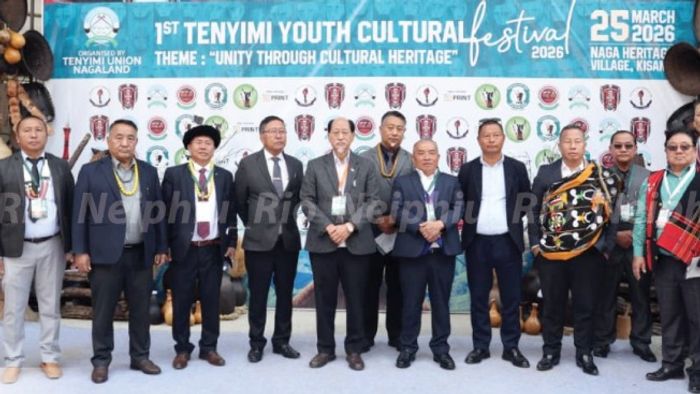
- Mar 25, 2026,
- Updated Mar 25, 2026, 8:21 PM IST
Nagaland Chief Minister Neiphiu Rio on March 25 emphasised the need to strengthen Naga unity across political, cultural and social spheres, asserting that even if physical integration remains elusive, collective identity must be preserved.
Addressing the first Tenyimi Youth Cultural Festival at the Naga Heritage Village in Kisama, Rio said the integration of contiguous Naga-inhabited areas continues to be a longstanding aspiration and a key negotiating point between the Nagas and the Centre.
“Even if we cannot be physically integrated, we must remain united politically, emotionally, socially and culturally,” he said.
The festival was organised by Tenyimi Union Nagaland (TUN), comprising five tribes — Angami, Chakhesang, Pochury, Rengma and Zeliang — with the aim of promoting cultural exchange and unity among Naga youth.
Rio underscored that shared traditions, customary laws and history bind the Naga people together, and called for reconciliation and collective efforts to secure a dignified and honourable resolution to the protracted Naga political issue.
He noted that the Centre had recognised the distinct identity of the Nagas through protective provisions such as the Bengal Eastern Frontier Regulation of 1873 and Article 371A of the Constitution. He also recalled that the Nagaland Legislative Assembly has passed resolutions supporting the integration of Naga areas.
Highlighting the role of the Tenyimi community, the chief minister said it should serve as a platform to foster pan-Naga unity. “When others recognise us, how can we not recognise ourselves,” he remarked.
Lauding the organisers, Rio described the festival — themed ‘Unity through Cultural Heritage’ — as a celebration of shared identity and living heritage that brings together diverse tribes despite geographical and cultural differences.
Stressing the importance of cultural preservation, he said traditions, songs, attire and values are “threads that bind the people together” and urged young people to carry forward this legacy with pride and responsibility in a rapidly changing world.
Rio also advocated for the wider promotion of the Tenyidie language as a common medium among Tenyimi communities and suggested replacing Assamese with Tenyidie as the third language in Navodaya schools located in Tenyimi areas.
Calling youth the custodians of heritage, he encouraged them to remain rooted in their culture. “A tree without roots cannot stand,” he said, urging them to uphold discipline, integrity and resilience while navigating modern challenges.
The event featured cultural performances and a talent extravaganza by youths from the five tribes, along with participation from the Tenyimi community of neighbouring Manipur under the banner of the Naga Peoples’ Organisation Cultural Troupe, Senapati.