Centre notifies amendments to citizenship rules, introduces passport disclosure clause
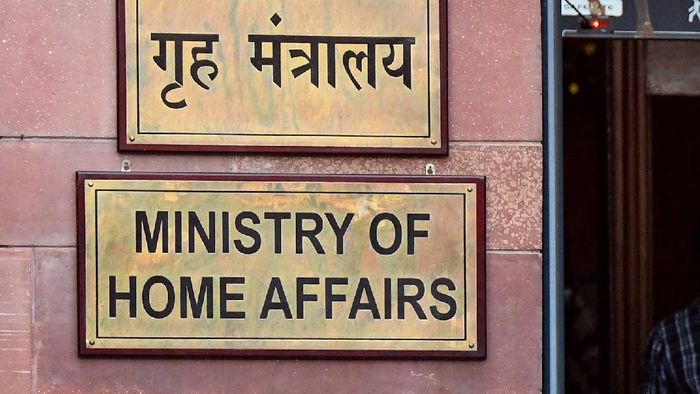
The Ministry of Home Affairs (MHA) has notified amendments to the Citizenship Rules, 2009, introducing new provisions related to passport disclosure for applicants linked to Pakistan, Afghanistan and Bangladesh.
- May 19, 2026,
- Updated May 19, 2026, 11:12 AM IST
The Ministry of Home Affairs (MHA) has notified amendments to the Citizenship Rules, 2009, introducing new provisions related to passport disclosure for applicants linked to Pakistan, Afghanistan and Bangladesh.
According to a notification issued on May 18, the revised rules, titled the Citizenship (Amendment) Rules, 2026, came into force immediately after their publication in the official gazette.
The notification stated that the amendments were made under the powers conferred by Section 18 of the Citizenship Act, 1955.
As part of the amendments, a new clause has been inserted in Schedule IC of the Citizenship Rules, requiring applicants to declare whether they possess a valid or expired passport issued by the governments of Pakistan, Afghanistan or Bangladesh.
Under the revised provisions, applicants are required either to confirm that they do not hold such passports or provide details including passport number, date and place of issue and date of expiry if they do possess them.
The amended rules further state that applicants declaring possession of such passports must undertake to surrender them to the concerned authorities within 15 days of approval of their citizenship application.
Officials said the amendment is intended to streamline documentation requirements and strengthen procedural clarity in citizenship applications involving individuals from the three neighbouring countries.
The principal Citizenship Rules were originally notified on February 25, 2009, and were last amended on March 11, 2024.
The development comes in the backdrop of the Citizenship (Amendment) Act passed by Parliament in December 2019. During the debate on the legislation, Union Home Minister Amit Shah had stated that the law aimed to provide relief to members of Hindu, Sikh, Buddhist, Jain, Parsi and Christian communities who migrated to India after allegedly facing religious persecution in Pakistan, Afghanistan and Bangladesh.
Shah had also maintained that the legislation was not directed against any minority community in India and that the rights of Indian citizens would remain protected. He had said the law was intended to provide a dignified life to persecuted minorities by granting them Indian citizenship subject to fulfillment of prescribed conditions.
The Home Minister had further stated that citizenship granted under the law would take effect from the date and year of entry into India and that related legal proceedings against eligible applicants would be closed. He had also said that expired passports and visas of such migrants would not render them illegal immigrants.
Shah had additionally argued that the minority population in Pakistan and Bangladesh had declined significantly over the years due to religious persecution, forcing many to migrate to India.