Centre weighs legal action against WhatsApp, Telegram over username feature
The Centre is reviewing replies from WhatsApp and Telegram over their proposed username feature. The move could lead to legal action as officials cite privacy, safety and impersonation risks.
- Jul 16, 2026,
- Updated Jul 16, 2026, 9:58 AM IST
The Centre is examining legal options, including possible sanctions against WhatsApp and Telegram, after both platforms responded to government notices over the proposed 'username' feature, sources said.
According to ANI, the government is reviewing the replies submitted by the messaging platforms and is assessing the legal provisions that could be invoked. A formal notification is expected after the review is completed.
The Ministry of Electronics and Information Technology (MeitY) had issued a notice to Meta, seeking a detailed explanation of WhatsApp's planned username feature. It also asked the company to pause the rollout in India until consultations are concluded, citing concerns over user privacy and online safety.
As scrutiny over the feature intensified, the ministry also sent a similar notice to Telegram.
Earlier this month, representatives of Meta met MeitY officials to discuss the government's objections. During the meeting, officials raised concerns about privacy risks, user safety and the potential misuse of the feature, sources said.
The proposed feature has drawn criticism from internet users and cybersecurity experts, who argue that it could make impersonation easier by allowing cybercriminals to create usernames resembling those of individuals, organisations or government officials, increasing the risk of fraud.
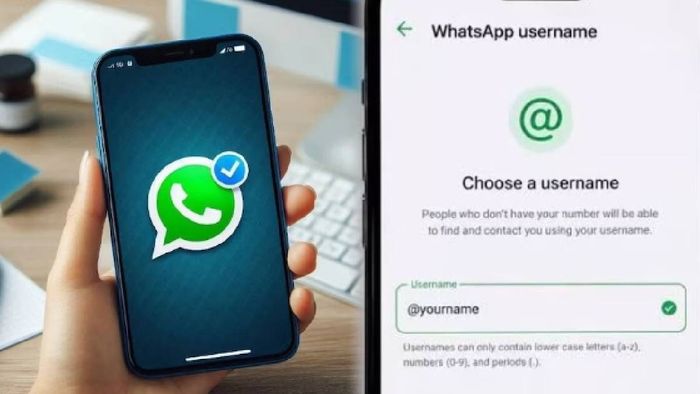
Meta has described the username as an optional and unique identifier that begins with the "@" symbol and allows users to receive messages and calls without sharing their phone number. The company said usernames are distinct from display names, which are visible on profiles and do not have to be unique.
According to Meta, users who do not have a contact's phone number saved will see the person's username by default in direct messages, calls and group chats. The company also said that certain usernames will be reserved for businesses, governments and public figures to prevent them from being claimed by others.