“Don’t take it so sentimentally”: SC declines urgent hearing on plea seeking probe into Cockroach Janta Party
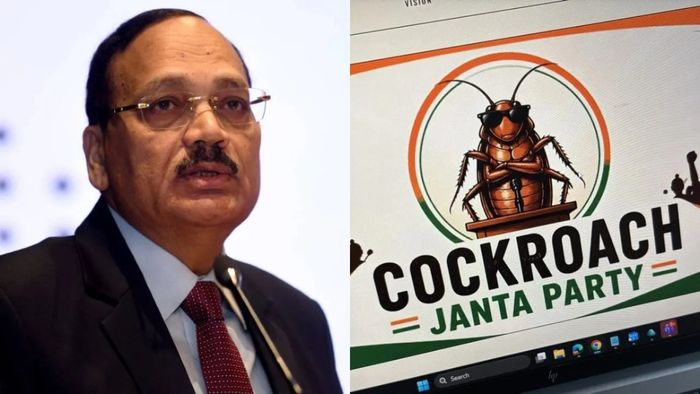
The Supreme Court on May 25 declined to grant an urgent hearing on a petition seeking a probe into allegations related to fake advocates and activities linked to the “Cockroach Janta Party” (CJP), an issue that recently drew attention following media discussions surrounding judicial remarks.
- May 25, 2026,
- Updated May 25, 2026, 5:36 PM IST
The Supreme Court on May 25 declined to grant an urgent hearing on a petition seeking a probe into allegations related to fake advocates and activities linked to the “Cockroach Janta Party” (CJP), an issue that recently drew attention following media discussions surrounding judicial remarks.
A bench headed by Chief Justice of India Justice Surya Kant and Justice Joymalya Bagchi heard submissions from advocate N.K. Goswami, appearing for the petitioner, who sought an immediate hearing on the matter.
During the proceedings, the Chief Justice advised the petitioner not to approach the issue emotionally and observed that a “distorted and malicious narrative” was continuing.
“Don’t take it so sentimentally,” the Chief Justice remarked.
Another advocate appearing in the matter submitted that the petition sought a CBI investigation into allegations concerning fake law degrees and alleged commercial activities linked to court procedures.
The bench, however, refused to treat the matter as urgent.
“There is no such grave urgency. We will see,” the Chief Justice said.
The petition reportedly sought action against individuals allegedly involved in the commercial exploitation of court observations and also requested an investigation into claims of fake advocates practising law using fraudulent degrees.
The matter comes amid controversy over remarks attributed to the Chief Justice during an earlier hearing on May 15 related to senior legal designation matters.
On May 16, the Chief Justice issued a clarification, stating that his remarks were specifically directed at individuals allegedly entering the legal profession through “fake and bogus degrees” and expressed concern over how portions of his observations were reported.