'Emergency' finds place in Class 9 NCERT textbook for first time
The new Class 9 NCERT Social Science textbook includes the Emergency of 1975-77 for the first time. The chapter presents it as a major test of Indian democracy and civic freedoms.
- Jun 25, 2026,
- Updated Jun 25, 2026, 9:48 AM IST
The Emergency imposed between 1975 and 1977 has been included in a Class 9 NCERT textbook for the first time, with the new Social Science book presenting the period as one of the biggest challenges faced by Indian democracy.
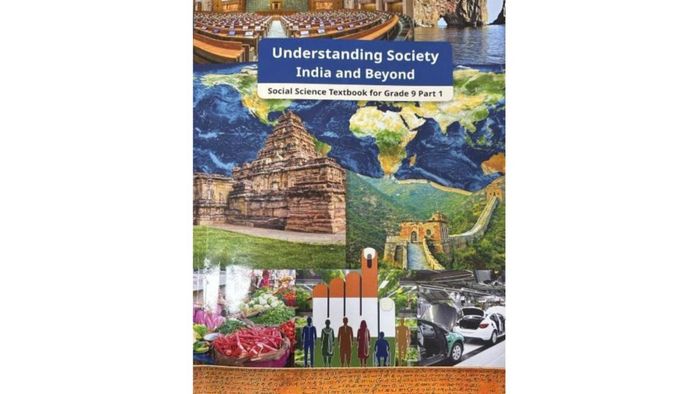
The chapter appears in Understanding Society: India and Beyond, where the Emergency is discussed as part of a broader lesson on the strengths and challenges of democracy. An NCERT official confirmed that this is the first time the topic has been included in a Class 9 textbook. The move comes as India recently marked 50 years since the declaration of the Emergency in 1975.
Describing the political situation leading up to the Emergency, the textbook says, "One of the major challenges to democracy in India was recorded when an Emergency was imposed in 1975-77." It notes that growing public dissatisfaction with the government, rising unemployment, inflation and allegations of misgovernance triggered widespread protests in the early 1970s.
The book states that a National Emergency was declared in June 1975 on the grounds of "internal disturbance". During the period, "a majority of Fundamental Rights were suspended", the press was censored, and many political leaders and activists were arrested. It adds that democratic institutions came under severe strain and citizens' freedoms were restricted.
The textbook also highlights the role of Jayaprakash Narayan in mobilising protests against the Emergency. Referring to him as Lok Nayak, it says mass movements led by the socialist leader brought together students and citizens, particularly in Bihar and Gujarat.
According to the chapter, the Emergency was lifted in 1977, following which general elections were held, allowing people to express their will through the ballot. It says the defeat of the ruling government demonstrated the resilience of Indian democracy and underscored the importance of democratic values.
The Emergency is discussed alongside other challenges to democracy, including fake news, misinformation, damage to public property, violation of public rules, poverty, regionalism, social discrimination and gender inequality.
The revised textbook also introduces a new section titled Democracy and You, aimed at helping students understand their role as active citizens in democratic processes.
Beyond the Emergency, the book places emphasis on India's democratic traditions and institutions. It traces democratic practices to early historical periods and explains their relevance in modern governance.
A separate section describes the media as the "fourth pillar of democracy", highlighting its role in raising public concerns and protecting democratic values.
The chapter also includes data on India's electoral system, noting that the country had more than 96.8 crore registered voters in 2024. It features case studies of grassroots governance, including panchayats in Gujarat and Tripura, and includes a dedicated section on women's voting rights and reservations in local bodies.