FSSAI clarifies use of ‘Tea’, bars labeling of herbal and plant infusions as tea
The Food Safety and Standards Authority of India (FSSAI) has issued a formal clarification restricting the use of the word “Tea” exclusively to products derived from the plant Camellia sinensis, directing food business operators to refrain from using the term for herbal, floral, or other plant-based infusions.
- Dec 25, 2025,
- Updated Dec 25, 2025, 1:49 PM IST
The Food Safety and Standards Authority of India (FSSAI) has issued a formal clarification restricting the use of the word “Tea” exclusively to products derived from the plant Camellia sinensis, directing food business operators to refrain from using the term for herbal, floral, or other plant-based infusions.
The clarification, issued on December 24, aims to curb misleading labelling and ensure compliance with food safety regulations.
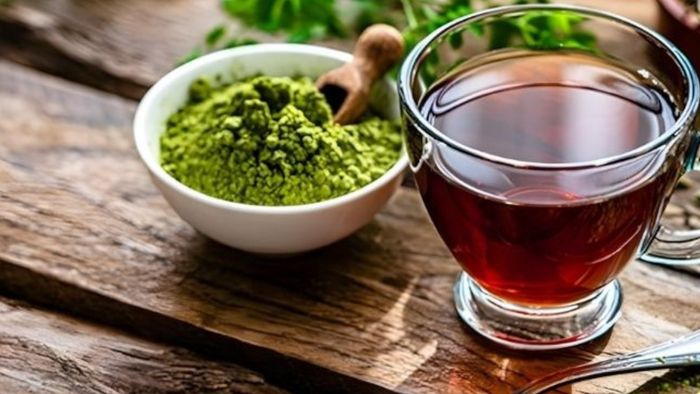
In its regulatory communication, FSSAI noted that several food business operators were marketing products not sourced from Camellia sinensis under names such as “Herbal Tea,” “Flower Tea,” and “Rooibos Tea.” The authority clarified that under the Food Safety and Standards (Food Product Standards and Food Additives) Regulations, 2011, tea—including green tea, instant tea, and region-specific varieties such as Kangra tea—must be exclusively obtained from Camellia sinensis.
The regulator further stated that the Food Safety and Standards (Labelling and Display) Regulations, 2020 mandate that food labels must clearly indicate the true nature of the product on the front of the package. Using the word “Tea” for plant-based or herbal infusions not derived from Camellia sinensis was described as misleading and amounting to misbranding under the Food Safety and Standards Act, 2006.
According to the clarification, such non-Camellia sinensis products may instead fall under the category of proprietary foods or under the Food Safety and Standards (Approval for Non-Specified Food and Food Ingredients) Regulations, 2017, depending on their ingredients. However, they cannot be marketed or sold using the term “Tea” in any form.
FSSAI has directed all food business operators, including those engaged in e-commerce, manufacturing, packaging, import, and sale of such products, to strictly comply with the regulations. Commissioners of Food Safety across states and Union Territories, along with regional directors of FSSAI, have been asked to ensure rigorous monitoring and enforcement.
The authority warned that non-compliance would invite action under the provisions of the Food Safety and Standards Act, 2006 and associated rules and regulations, reinforcing its stance on transparent labelling and consumer protection.