India’s 2027 Census to go digital with real-time monitoring and self-enumeration
The Centre has notified Population Census 2027 and approved Rs 11,718.24 crore for the exercise. The two-phase count will add digital tools and caste enumeration while keeping personal data confidential.
- Apr 25, 2026,
- Updated Apr 25, 2026, 1:03 PM IST
A major digital overhaul will define India’s next population census, with authorities introducing mobile-based data collection, near real-time monitoring systems and an option for citizens to self-enumerate online. Scheduled for 2027, the exercise is expected to be the largest of its kind globally and marks a shift towards faster, technology-driven data gathering.
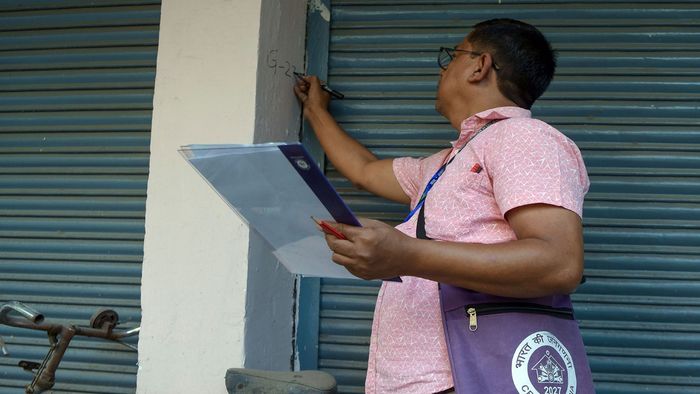
The Census Management and Monitoring System (CMMS) will allow officials to track progress almost instantly, while geo-referenced mapping is expected to improve accuracy in identifying households. Enumerators will use handheld devices instead of paper schedules, reducing delays in processing and minimising errors. A voluntary self-enumeration window will enable households to submit details digitally before field verification, a move aimed at increasing participation and efficiency.
The census remains a critical tool for governance, providing comprehensive data on demographic, social, economic and cultural aspects of the population. This information is used by policymakers, administrators and researchers to design targeted welfare programmes and allocate resources effectively. Officials say the integration of digital tools will help generate more granular and timely data, strengthening evidence-based decision-making.
India’s census has a long history, with early references found in ancient administrative texts and later in Mughal-era records. The first modern exercise took place between 1865 and 1872, followed by the first synchronous nationwide census in 1881. Since then, it has been conducted every ten years, evolving in scope and methodology to better reflect the country’s changing population.
The 2027 census will also include comprehensive caste enumeration during the population enumeration phase, a step expected to influence future policy planning. The exercise will be conducted in two stages, beginning with the House Listing and Housing Census between April and September 2026, followed by Population Enumeration in February 2027. In snow-bound regions, the second phase will be advanced to September 2026.
Delayed from its original 2021 schedule due to the COVID-19 pandemic, the upcoming census will be the 16th in the series and the eighth since independence. The Union Cabinet has approved an outlay of Rs 11,718.24 crore for its implementation, with the government formally notifying its intent in June 2025.
The exercise is governed by the Census Act, 1948 and the Census Rules, 1990, ensuring a uniform and legally backed framework. Personal data collected during the census is protected under strict confidentiality provisions and cannot be disclosed, used in court proceedings or shared under the Right to Information Act.
Officials maintain that the strengthened digital systems, combined with these safeguards, are designed to enhance both efficiency and public trust in the process.