NEET-UG to go fully computer-based from 2027 after paper leak row: Union Education Minister
The Centre has shifted NEET-UG to a computer-based format from 2027 after the latest paper leak. The move comes with a June 21 re-examination, a CBI probe and tighter safeguards.
- May 15, 2026,
- Updated May 15, 2026, 2:30 PM IST
Union Education Minister Dharmendra Pradhan on Friday, May 15, announced that NEET-UG will be conducted completely in computer-based test (CBT) mode from 2027, describing it as a major overhaul of India’s medical entrance examination system. The announcement comes after the recent NEET paper leak controversy, which pushed the Centre to introduce stricter reforms and tighten examination security.
The proposed transition from the conventional pen-and-paper format to a fully digital system is intended to minimise the possibility of leaks, improve transparency and rebuild trust among candidates. With this change, NEET will join several other national competitive examinations that are already held online.
Addressing a press conference, he acknowledged that shortcomings remained in the examination process despite earlier reform measures introduced after the 2024 NEET paper leak case. Referring to the expert panel led by former ISRO chairman K Radhakrishnan, the minister admitted that the recommendations made by the committee had not been implemented effectively at every level.
“Despite following the recommendations of the Radhakrishnan committee, there was a breach in the command chain. We accept it and take responsibility to improve it,” he said.
The committee, constituted following the 2024 controversy, had reportedly proposed 95 detailed recommendations aimed at improving the security and administration of national examinations. However, Pradhan said certain measures either failed during implementation or were not fully enforced, eventually leading to another breach this year.
The decision to move NEET into CBT mode follows allegations that the original NEET-UG 2026 paper had been leaked ahead of the May 3 examination. According to the minister, suspicions arose after reports surfaced that a “guess paper” circulating before the test contained nearly 140 out of the 180 questions that later appeared in the actual exam.
After cancelling the examination earlier this week, the government has now scheduled the re-examination for June 21.
“The government does not want honest students to suffer because of an organised network of fraudsters and the education mafia,” Pradhan said, while reiterating the Centre’s “zero tolerance” stance on examination malpractice.
The controversy reportedly began in Rajasthan’s Sikar district, known as a major coaching centre hub. On May 4, only hours after students completed the examination, a teacher allegedly approached the Udyog Nagar police station claiming to possess evidence of a leak. Reports said he carried a handwritten “guess paper” containing questions that closely matched those asked in the NEET-UG examination.
According to media reports, the teacher had obtained the handwritten material from his landlord, whose son was residing in Kerala. After checking the questions against the exam paper, the whistleblower allegedly found similarities amounting to nearly 600 marks. Despite the gravity of the claim, no immediate FIR was reportedly registered.
Pradhan said the National Testing Agency began receiving complaints regarding matching questions by May 7. The Higher Education Department subsequently launched an investigation over the next four days involving both central and state agencies. By May 12, authorities confirmed that the original examination paper had indeed been compromised.
The minister further stated that the Central Bureau of Investigation has been assigned to conduct a comprehensive inquiry into the leak and trace the entire chain responsible for the breach. He added that strict action would be taken against everyone involved.
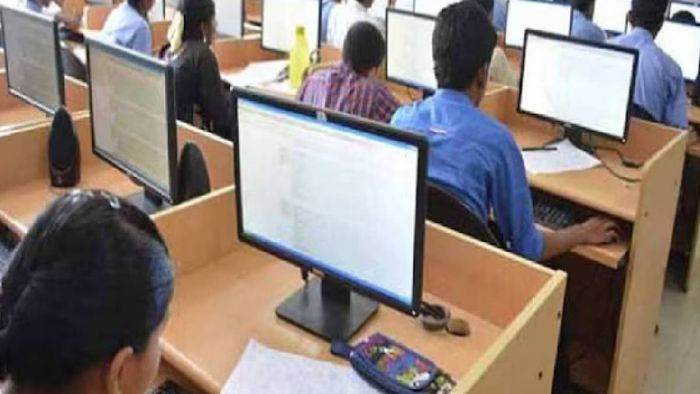
Under the new CBT model, candidates will answer questions directly on computers rather than marking responses on OMR sheets. Students unfamiliar with digital examination systems will need to adapt to features such as on-screen navigation, reviewing flagged questions and managing time digitally. Although the syllabus and overall pattern of the examination are expected to remain unchanged, preparation methods are likely to shift towards online mock tests and digital practice platforms.
The Union Minister further announced that the duration of the examination would be increased by 15 minutes to allow students additional time for attendance formalities and other verification procedures before beginning the test.
“Keeping students’ convenience and procedural requirements in mind, the NTA has decided to extend the duration of the examination by 15 minutes. Earlier scheduled from 2 pm to 5 pm, the exam will now conclude at 5:15 pm,” Pradhan said.
New admit cards for the re-examination will be issued by June 14 on the official website, and students can access them using their existing login credentials. He added that candidates will receive refunds of their examination fees and that the re-test will be conducted without any additional charges.
The minister said the NTA is currently undergoing a series of reforms aimed at ensuring “zero-error” examinations and strengthening the integrity of the system in the coming years.