Nitin Gadkari proposes electric ‘flying buses’, defends E20 petrol as India accelerates clean mobility push
Union Minister for Road Transport and Highways Nitin Gadkari has proposed the introduction of electric "flying buses" as part of a Mass Rapid Transport System aimed at easing urban congestion and advancing India's transition to cleaner mobility.
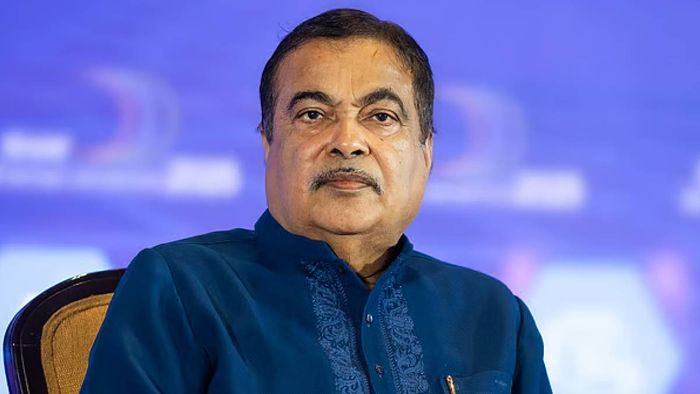
- Jul 15, 2026,
- Updated Jul 15, 2026, 10:26 PM IST
Union Minister for Road Transport and Highways Nitin Gadkari has proposed the introduction of electric "flying buses" as part of a Mass Rapid Transport System aimed at easing urban congestion and advancing India's transition to cleaner mobility. The announcement came during the inauguration of the Lucknow-Kanpur Expressway, where the minister also strongly defended the government's rollout of E20 ethanol-blended petrol.
Outlining his vision for the next phase of public transportation, Gadkari said his ministry is working towards deploying electricity-powered flying buses to transform urban mobility and provide faster connectivity across cities.
"Soon, I am going to introduce flying buses. I have already brought seaplanes that can land on water. I even landed one in the sea myself," the minister said.
He added that the proposed system would form part of a broader electric Mass Rapid Transport System that would significantly reduce travel time within cities.
"Under my ministry, I will develop a Mass Rapid Transport System powered by electricity. It will enable people to travel from one corner to another so quickly that they won't even realise how fast they reached," Gadkari said.
The minister also addressed criticism surrounding the introduction of E20 ethanol-blended petrol, dismissing concerns over its impact on vehicle performance and reliability.
"There is no case of any car facing issues due to E20 petrol. Has there been any car in the country that faced issues due to the use of E20 petrol? Just name one," he said.
Gadkari further alleged that misinformation was being spread about the government's ethanol-blending programme.
"False narratives are being spread about the roll-out of higher ethanol-blended petrol. These are paid campaigns," he said.
Emphasising the economic and environmental benefits of alternative fuels, Gadkari noted that India spends nearly ₹22 lakh crore annually on fuel imports, making continued dependence on fossil fuels unsustainable. He said the country's achievement of 20 per cent ethanol blending in petrol—using ethanol produced from biomass such as sugarcane, corn and rice—has helped reduce crude oil imports while lowering carbon emissions.
The Union minister also reiterated his support for hydrogen as a key fuel of the future, stating that he personally uses vehicles powered by alternative energy sources and encouraging broader adoption of clean transport technologies as part of India's long-term sustainable mobility strategy.