'Paper mafia... will not be spared': PM Modi after Parliament clears tougher exam law
After the Rajya Sabha passed the Public Examinations Amendment Bill, 2026, Narendra Modi said paper leak rackets would not be spared. The law raises penalties, mandates time-bound probes and fast-track trials, and now awaits presidential assent.
- Jul 31, 2026,
- Updated Jul 31, 2026, 9:02 AM IST
Prime Minister Narendra Modi on July 30 welcomed Parliament's passage of the Public Examinations (Prevention of Unfair Means) Amendment Bill, 2026, describing it as a major step towards building a more reliable examination system and warning that those involved in paper leak rackets "will not be spared".
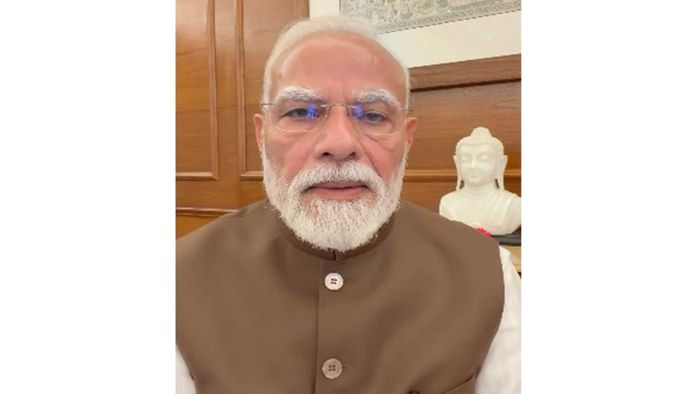
In a video message shared on Instagram after the Rajya Sabha approved the legislation, Modi said the Centre had been taking continuous steps to improve transparency and strengthen the country's examination framework.
"For a reliable examination system, we are continuously taking one step after the other," he said, adding that reforms had been shaped by consultations with states, many of which have struggled with paper leaks for decades.
Calling paper leaks a threat to students' futures, the Prime Minister said education reforms had become essential across the country and stressed the need for greater use of technology to tackle examination-related fraud.
"Reforms in the education system have become mandatory nationwide... There is a need for the abundant and useful application of technology," he said.
Issuing a strong warning to organised cheating networks, Modi said, "Any paper mafia... playing with the future of the country's children, they will not be spared," adding that stringent legal provisions were necessary to curb such offences.
Referring to the Bill's passage in both Houses within two days, Modi said Parliament had held extensive discussions before approving the legislation with stricter legal provisions. He added that the government would continue working towards a more credible examination system and ensure such incidents do not persist.
The Bill, which was passed by the Lok Sabha earlier, received Rajya Sabha approval on Thursday and will now be sent to the President for assent. Opposition members staged a walkout from the Upper House before the legislation was passed.
Replying to the debate, Union Minister of State Jitendra Singh said the issue affected "every parent" and "every family" in the country, as well as millions of students preparing for competitive examinations.
He said nearly 7.65 crore students would benefit from measures aimed at strengthening the examination system and highlighted reforms introduced under the National Education Policy (NEP) 2020, describing it as a "game changer" that had given students greater freedom in choosing their educational paths.
Singh also said investigations into examination-related offences would have to be completed within two months, while trials in designated Special Fast Track Courts would be concluded within three months of the filing of the charge sheet.
Describing paper leaks as a long-standing national problem, he said such incidents had occurred under different state governments as well as previous central administrations. He also noted that the number of universities had increased from 760 to 1,293, while 400 Eklavya schools were now operational across the country.
Leader of the Opposition in the Rajya Sabha Mallikarjun Kharge criticised the legislation, arguing that it introduced only "cosmetic changes" and lacked sufficiently stringent provisions to guarantee transparent, paper leak-free examinations.
While supporting the Bill, Kharge said the government had acted only after widespread concerns over examination irregularities. He called for a National Youth Employment Strategy, a fixed annual examination calendar, the filling of vacancies in government jobs, particularly those reserved for Scheduled Caste and OBC candidates, and judicial oversight into investigations related to police action against protesters.
The amendment significantly enhances penalties for examination fraud. Individuals found using unfair means could face imprisonment ranging from five to ten years, compared to the existing three to five years, while the maximum fine has been raised from Rs 10 lakh to Rs 50 lakh.
Service providers involved in examination-related offences could be fined up to Rs 5 crore and barred from conducting public examinations for eight years instead of four. For organised examination crimes, the Bill increases the minimum prison term to seven years, extendable to ten years, and raises the maximum fine from Rs 1 crore to Rs 10 crore.
The legislation also empowers the Centre to set up a Special Task Force to investigate paper leak cases and mandates time-bound investigations, day-to-day trials in Special Fast Track Courts and the appointment of Special Public Prosecutors for such cases.