PM Modi urges fuel conservation, revival of work-from-home amid global oil crisis
Prime Minister Narendra Modi on Sunday, May 10 urged citizens to adopt fuel conservation measures, revive work-from-home practices and reduce non-essential imports amid a sharp rise in global crude oil prices triggered by the ongoing conflict in the Middle East.
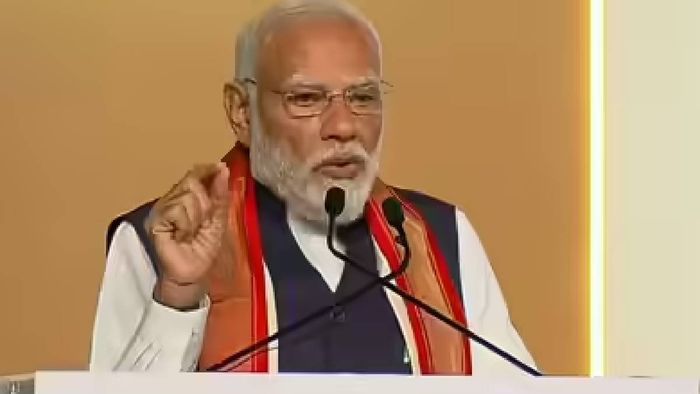
- May 10, 2026,
- Updated May 10, 2026, 10:08 PM IST
Prime Minister Narendra Modi on Sunday, May 10 urged citizens to adopt fuel conservation measures, revive work-from-home practices and reduce non-essential imports amid a sharp rise in global crude oil prices triggered by the ongoing conflict in the Middle East.
Addressing concerns over the global energy crisis, the Prime Minister said India must collectively work towards reducing foreign exchange expenditure on imports, particularly fuel, edible oil, gold and chemical fertilisers.
His remarks come as global crude oil prices surged from nearly USD 70 per barrel to around USD 126 per barrel following escalating tensions in West Asia and disruptions around the Strait of Hormuz, a key global oil transit route.
Referring to practices adopted during the Covid-19 pandemic, Modi said the country should once again prioritise remote working arrangements to reduce fuel consumption.
“During the Corona period, we adopted work from home, online meetings, video conferences and developed many such systems. We had also become accustomed to them,” he said.
“Today, the need of the hour is that we restart those practices, as it would be in the national interest, and we must once again give them priority,” he added.
Without directly announcing any increase in fuel prices, the Prime Minister repeatedly stressed the importance of reducing petrol and diesel consumption at a time when fuel prices have risen sharply across the world.
“Petrol-diesel has become so expensive across the world. It is the responsibility of all of us that the foreign exchange spent on purchasing petrol-diesel should also be saved by conserving petrol-diesel,” he said.
In a significant appeal aimed at reducing import-driven expenditure, Modi also urged people to avoid purchasing gold for weddings for one year.
“I would appeal to people not to buy gold for weddings for one year,” he said.
The Prime Minister also called for reduced edible oil consumption, noting that India spends substantial foreign exchange on edible oil imports.
“The same is true for edible oil. We have to spend foreign currency on its import,” he said.
“If every household reduces the use of edible oil, it is a huge contribution to patriotism. This will improve the health of the national treasury and the health of every family member,” he added.
Highlighting the agricultural sector’s dependence on imports, Modi urged farmers to reduce the use of chemical fertilisers and move towards natural farming practices.
“Another sector that consumes foreign currency is our agriculture. We import chemical fertilisers in large quantities from abroad,” he said.
“We should reduce our consumption of chemical fertilisers by half and move towards natural farming. This way, we can save foreign currency and protect our farms and Mother Earth,” he added.
The Prime Minister’s remarks come amid indications that fuel prices in India may soon witness their first major revision in nearly four years.
Government and industry sources indicated that petrol and diesel prices could be increased before May 15 as oil marketing companies continue to face heavy under-recoveries due to rising crude prices.
According to sources, Indian Oil Corporation, Bharat Petroleum Corporation Limited and Hindustan Petroleum Corporation Limited are collectively incurring losses of nearly Rs 30,000 crore per month.
Officials indicated that at prevailing global crude prices, the government and oil companies are absorbing nearly Rs 24 per litre on petrol and Rs 30 per litre on diesel to shield consumers from the full impact of the international energy crisis.
If approved, petrol and diesel prices may increase by around Rs 4-5 per litre, while domestic LPG cylinder prices could rise by Rs 40-50.
The current global energy crisis has been triggered by prolonged instability in the Middle East, which has disrupted shipping routes and raised concerns over global crude oil supplies. Nearly 20 per cent of the world’s oil passes through the Strait of Hormuz, where shipping movement has been affected due to the conflict.
While countries such as Bangladesh have introduced fuel rationing and Sri Lanka has reduced working days to manage the crisis, India has so far avoided shortages and disruptions in fuel supply.
Officials said India responded by increasing LPG production from 36,000 tonnes per day to 54,000 tonnes, diversifying crude imports from countries including Russia, the United States and regions in West Africa, while refineries were asked to operate at more than 100 per cent capacity.
The Centre had also reduced excise duties earlier to cushion consumers from rising international fuel prices.