RG Kar rape victim's mother leads Panihati by over 56,000 votes, reshaping Bengal poll narrative
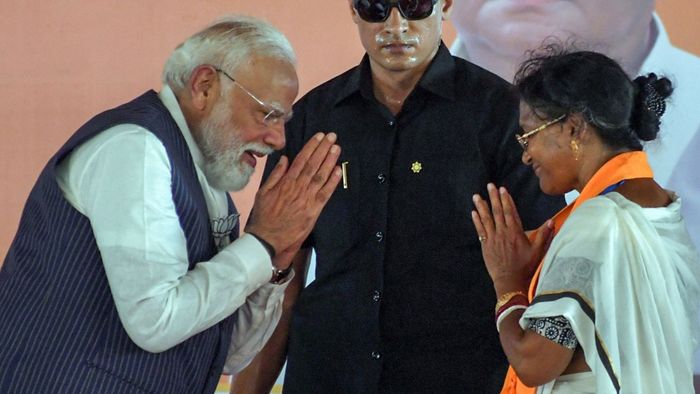
Ratna Debnath, the mother of the RG Kar Medical College victim, has emerged as a decisive political figure in the 2026 West Bengal Assembly election, leading by more than 56,000 votes in Panihati as of Monday afternoon. The constituency, part of North 24 Parganas district, has remained with the Trinamool Congress (TMC) since 2011.
- May 04, 2026,
- Updated May 04, 2026, 5:03 PM IST
Ratna Debnath, the mother of the RG Kar Medical College victim, has emerged as a decisive political figure in the 2026 West Bengal Assembly election, leading by more than 56,000 votes in Panihati as of Monday afternoon. The constituency, part of North 24 Parganas district, has remained with the Trinamool Congress (TMC) since 2011.
Debnath’s candidacy for the Bharatiya Janata Party (BJP) has altered the tone of the election, shifting focus from traditional political rivalries to questions of public accountability and women’s safety. Her campaign consistently invoked the RG Kar tragedy, with her message — “My daughter’s tragedy could have happened to anyone” — resonating across the state.
Just days before the results, Debnath said voters were ready to “uproot and throw out” the ruling party, accusing the government of failing to address concerns over women’s safety. “Our only regret is that when such an incident happens, our female Chief Minister herself insults women,” she said, referring to controversial remarks about women working late hours. “This time, Bengal will fight against this.”
Polling in Panihati reflected heightened tensions. Debnath alleged that she was surrounded, abused and intimidated by TMC workers on voting day, with accusations that she was “doing business” in her daughter’s name. Despite this, she remained at polling stations throughout the day. Supporters claim these incidents contributed to a surge in what they describe as a “silent vote”.
North 24 Parganas recorded a turnout exceeding 91 per cent, among the highest in the state. Analysts view Debnath’s strong lead as a “referendum on justice” linked to public reaction over the RG Kar case.
Her performance has also exposed cracks in the TMC’s traditional support base, particularly among women voters. In urban constituencies like Panihati, observers note a shift from welfare-driven support towards demands for accountability and safety.
Debnath currently leads TMC candidate Tirthankar Ghosh by a wide margin, signalling a significant swing in a densely populated urban-industrial belt. Her campaign, centred on women’s safety and judicial accountability, has drawn widespread attention across the state.
The result in Panihati is being seen as indicative of a broader anti-incumbency trend. Debnath’s rise, from a private citizen to a leading political contender, underscores the extent to which personal narratives have influenced the 2026 election.
Her lead not only strengthens the BJP’s position but also highlights strategic challenges for the TMC, particularly in constituencies once considered organisational strongholds. As counting continues, Panihati stands out as one of the most closely watched seats in the state.