SC seeks replies on plea for 30 per cent quota for women lawyers in government panels
The Supreme Court has sought replies from the Centre, states and Union Territories on a plea seeking 30 per cent reservation for women advocates in government legal appointments. The petition says women enter law schools in large numbers but remain underrepresented in key litigation roles and empanelments.
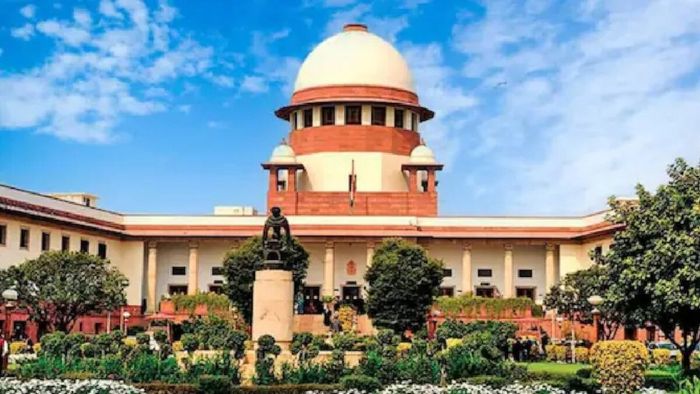
- May 20, 2026,
- Updated May 20, 2026, 12:34 PM IST
The Supreme Court on May 20 issued notices to the Centre, states and union territories on a public interest litigation seeking at least 30 per cent reservation for women advocates in government legal panels and law officer appointments.
A bench headed by Surya Kant, along with Justices Joymalya Bagchi and Vipul M Pancholi, took note of submissions made by senior advocate and Supreme Court Bar Association president Vikas Singh before issuing notices to the Centre and other authorities.
The petition was filed by Ladli Foundation Trust under Article 32 of the Constitution. It sought directions to the Centre, state governments and public sector undertakings to ensure a minimum 30 per cent representation for women advocates across all levels of government legal appointments.
The plea covers appointments to Supreme Court and High Court panels, government law officer posts, legal aid panels and empanelments under central and state government bodies as well as PSUs.
According to the petition, women are entering law schools in large numbers but continue to face barriers in career progression and representation within the legal profession. It argued that despite growing participation in legal education, women lawyers remain underrepresented in influential litigation and government legal assignments.
The trust contended that the lack of adequate representation affects equal opportunities in the profession and sought enforcement of constitutional guarantees under Articles 14, 15(3), 19(1)(g) and 21.
The matter is expected to come up after responses are filed by the Centre and the states.