Balancing development and conservation- A tricky tightrope
Rivers have always held a cherished place in the culture, traditions, and collective imagination of the people who have lived along their banks, shaping their identity, livelihoods, and way of life. One such river is the mighty Brahmaputra-known as the YarlungTsangpo in the Tibet plateau.
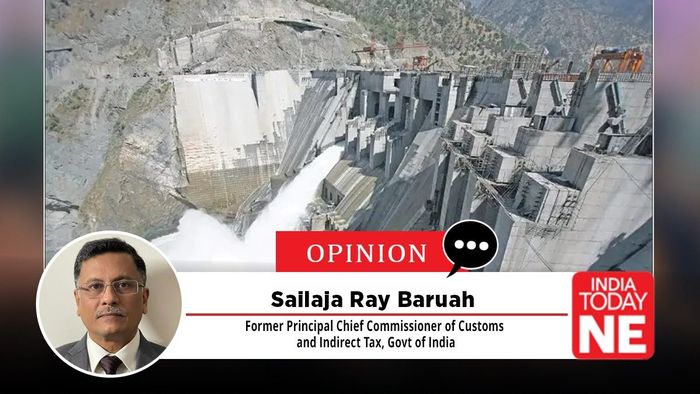
- Jul 04, 2026,
- Updated Jul 04, 2026, 2:22 PM IST
Rivers have always held a cherished place in the culture, traditions, and collective imagination of the people who have lived along their banks, shaping their identity, livelihoods, and way of life. One such river is the mighty Brahmaputra-known as the YarlungTsangpo in the Tibet plateau. The YarlungTsangpo arises from a glacier close to Mount Kailash, revered by the Hindus and Buddhists and flows almost 1700 kms through China before making a sharp bend to enter Arunachal Pradesh where it is known as the Siang. The Siang then is joined by other tributaries to become the Brahmaputra, which literally means son of God Brahma, and flows across Assam to enter Bangladesh where it is known as the Jamuna.
China is building a massive dam on the YarlungTsangpo which naturally has set off alarm bells ringing in India because this dam could adversely affect the hydrology of the downstream river, which is the lifeline for the population living on its banks. The dam’s impact on floods and sudden release of water by Chinese authorities in case of too much accumulation of water in its reservoir are serious concerns. India’s decision to build a massive dam on the Siang River are based on strategic considerations besides ensuring adequate water storage on the Indian side of the river and to generate substantial amounts of renewable energy to meet India’s growing need for electricity.
The project, Siang Upper Multipurpose Project (SUMP)to be built by the NHPC, will be one of India’s largest so far. SUMPisIndia’s response to China’s mega dam known as the Medog dam which is being constructed upstream on the YarlungTsangpo river. The Medog dam, which is expected to generate a massive 60000 mw of hydroelectric power,has a planned water storage capacity of 5.5 billion cubic metres. This has intensified India’s fears regarding the probability of extreme floods during the monsoons as well as sharp reduction in the river water level during the winter season as China may resort to diverting the water of the Siang to meet its domestic needs. Apart from that, the SUMP project will help in negating the potential of any harmful impact that the riparian areas may be exposed to owing to the Chinese mega dam besides effectively manging the health of the river ecosystem.
The Medog dam will without a doubt empower China to not only control the flow of the river but will also give them the option to weaponize the vast water resources by releasing excessive amounts of water during future hostilities that would cause devastating flash floods in parts of Arunachal Pradesh as well as large parts of Assam and even Bangladesh. Experts are unanimous in their opinion that notwithstanding the immense geo-political rivalry between India and China, such massive dams,which are coming up in a highly active seismic zone will significantly impact the water flow of the river besides impacting the lives, livelihood and the customary traditions of millions of people. Dubbed as a “strategic necessity” to counter the possible threats emanating from the Medog Hydropower station being built just across the border,the Government of India is carefully examining the human as well ecological toll.Asurvey for preparing the PFR (pre-feasibility report) will be commissioned soon which will take into consideration not only the technical, economic and social feasibility of the project but will also consider the viability of the proposed sites as well the number of villages that have to be relocated.
It is a well-known fact that the residents of a number of villages have given their written consent for the pre-feasibility study after having realised the economic and strategic necessity of the project. Nevertheless, there are certain section that have opposed it owing to the fear of getting displaced as well as losing their cultural roots.
The Adi community, the dominant tribe residing in the Siang and Upper Siang districts rely on agriculture cultivating rice, cardamom, ginger and orangebesides fishing and hunting for their livelihood and as such, their lives are inextricably intertwined with the river. Therefore, in order to ensure that India manages to successfully counter the strategic risks posed by the Medog dam, the political and administrative machinery will first have to convince the local communities that the project will in no way isolate them from their land and the river and that their cultural and emotional connection with both will remain as strong as their ancestors. Any misconception or angst in the minds of thepeople regarding their future will only fuel discontent and to avoid this, the government should secure the free and informed consent from the indigenous communities besides assuring them of securing their rights over their land, culture and resources. It is only through inclusive policy decisions and diligent planning that the dual objectives of balancing socio-ecology and ensuring sustainable development can be achieved. Modern technology today is capable of building dams which can successfully withstand even the most severe earthquakes. Japan, which falls in one of the most earthquake prone regions in the world is a brilliant example of how modern technology has been used to ensure minimal or no damage during a severe earthquake.
Measures like a suitable rehabilitation plan which would involve developing a proper township having all essential facilities like housing, schools, colleges, markets and healthcare facilities along with appropriate financial compensation, similar to the New Tehri township that was developed to settle the project affected people (PAF) displaced by the Tehri Dam would help in gaining the trust of the local population that would not only be burdened by the thought of leaving their ancestral homes and lands for good but also by the cultural and emotional burden attached with resettling in a new location. A comprehensive and well-orchestrated rehabilitation plan that would balance the need for infrastructure development without overlooking environmental and social considerations will go a long way in ensuring that progress and resettlement need not be a harrowing experience for all stakeholders involved in the exercise. India’s quest to build a mighty dam on the Siang will have to be in consonance with addressing the concerns of the indigenous people living on the banks of these mighty rivers, both in Arunachal Pradesh as well as in the downstream areas of Assam.