From Margins to Mainstream: Manipuri film ONENESS Celebrates Pride with State Honour
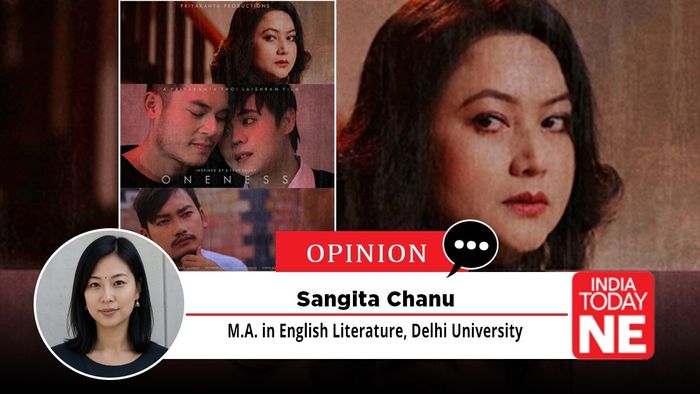
As the world marks Pride Month, Manipur has its own story of visibility, courage, and recognition to celebrate. Oneness, the groundbreaking film directed by Priyakanta Laishram, has earned State recognition at the 17th Manipuri State Film Awards, winning the Special Jury Award (Feature Film) for producer-director Priyakanta Laishram and producer Roushil Singla.
- Jun 06, 2026,
- Updated Jun 06, 2026, 5:01 PM IST
As the world marks Pride Month, Manipur has its own story of visibility, courage, and recognition to celebrate. Oneness, the groundbreaking film directed by Priyakanta Laishram, has earned State recognition at the 17th Manipuri State Film Awards, winning the Special Jury Award (Feature Film) for producer-director Priyakanta Laishram and producer Roushil Singla. The celebrations were further amplified by veteran actress Maya Choudhury's Best Supporting Actress win, her first-ever State Film Award after nearly three decades of contribution to Manipuri cinema.
Featuring a talented ensemble cast led by Priyakanta Laishram, Maya Choudhury, Suraj Ngashepam, Sachinker Sagolsem, Harendra Laishram, Ramva Leishangthem, Yaiphabi Tonjam, and Rojesh Saikhom, Oneness has been widely praised for its sensitive portrayal of queer lives, family relationships, and the search for acceptance in a society often constrained by prejudice and convention.
The recognition is significant not merely because Oneness won awards, but because of what the film represents. Widely regarded as the first Manipuri film to openly and authentically portray queer lives and same-sex relationships, Oneness broke new ground in a cinematic landscape where LGBTQ+ narratives had long remained invisible.
At a time when conversations surrounding sexuality and gender identity continue to face resistance in many parts of society, Oneness dared to tell a deeply human story about love, loss, identity, and acceptance. Inspired by real-life experiences, the film challenged stereotypes and encouraged audiences to engage with queer lives not through prejudice or sensationalism, but through empathy and understanding.
Yet the journey of Oneness was far from easy.
Long before it received recognition and accolades, the film became a subject of controversy for its bold subject matter. Director Priyakanta Laishram faced intense criticism for choosing to bring queer narratives into the mainstream of Manipuri cinema. The opposition extended beyond artistic disagreements. According to accounts shared publicly by the filmmaker, he faced intimidation, threats, and significant personal risks while pursuing the project. The hostility surrounding the film reflected the social barriers that continue to confront discussions about LGBTQ+ identities in many communities.
For many filmmakers, such circumstances could have been enough to abandon the project altogether. Instead, Laishram remained committed to telling a story that he believed deserved to be told. In doing so, he transformed Oneness into more than a film; it became a statement about artistic freedom, representation, and the right of marginalized communities to see their lives reflected on screen.
This difficult journey is precisely what makes the film's State Film Award recognition so meaningful. The honour represents more than artistic achievement. It symbolizes a remarkable transition, from resistance to recognition, from controversy to celebration.
The film's success also brought long-overdue recognition to one of Manipuri cinema's most respected performers. Maya Choudhury's Best Supporting Actress award marked the first State Film Award of her distinguished career spanning nearly three decades. Her portrayal of Anna Martin, a mother grappling with love, social expectations, and acceptance, emerged as one of the emotional pillars of the film.
The significance of these honours extends beyond the film industry. Across India and the world, Pride Month serves as a reminder of the continuing struggle for equality, dignity, and representation for LGBTQ+ communities. Against that backdrop, the recognition of Oneness carries a symbolism that resonates far beyond Manipur.
The film's success demonstrates that stories once considered controversial or unconventional can eventually earn mainstream acceptance when they are told with sincerity, authenticity, and artistic excellence. It reflects a growing willingness within society to engage with diverse experiences and acknowledge voices that have historically been excluded from public discourse.
More importantly, the recognition of Oneness sends a message to future filmmakers, artists, and storytellers. It affirms that cinema has the power not only to entertain but also to challenge prejudice, foster empathy, and contribute to social progress. It encourages creators to pursue meaningful stories even when those stories encounter resistance.
As Pride Month celebrates visibility and inclusion, the journey of Oneness stands as a powerful example of perseverance in the face of adversity. From enduring opposition and controversy to receiving one of the state's highest cinematic honours, the film's path mirrors the broader struggle for recognition experienced by many marginalized communities.
In honouring Oneness, the State Film Awards have done more than celebrate an outstanding work of cinema. They have acknowledged the importance of stories that challenge conventions, amplify unheard voices, and expand the boundaries of representation.
The success of Oneness is therefore not merely a victory for a film. It is a victory for courage, for artistic integrity, and for the belief that every story deserves the opportunity to be seen, heard, and understood.