Humanitarian Crisis in Manipur: Examining Government Response and Political Priorities Through the Lens of Kangpokpi District
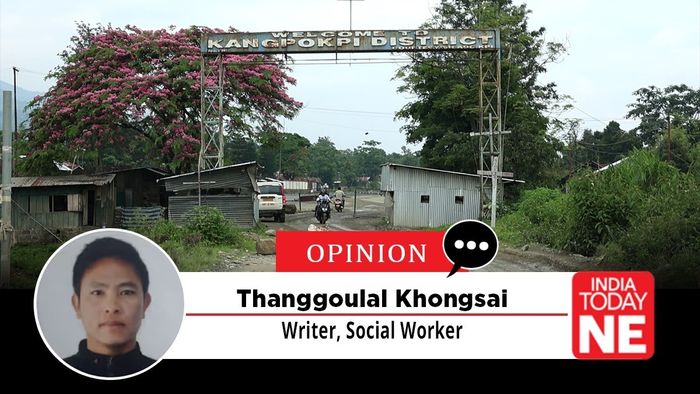
The blockade on National Highway-2 has severely disrupted supplies and daily life in Kangpokpi district. The prolonged shortage has sharpened questions over government response, humanitarian access and political priorities.
- Jul 05, 2026,
- Updated Jul 05, 2026, 12:14 PM IST
More than three years after the outbreak of ethnic violence on May 3, 2023, Manipur continues to grapple with one of the gravest humanitarian crises in its recent history. The conflict between the Meitei and Kuki communities has displaced over 60,000 people, claimed hundreds of lives, and fractured the social fabric of the state. Thousands remain internally displaced, while many families continue to struggle with uncertainty, trauma, and economic hardship.
Rather than moving towards reconciliation, Manipur has witnessed new tensions. Since February 2026, fresh confrontations involving sections of the Naga and Kuki communities have further aggravated an already fragile situation, resulting in additional loss of lives and deepening mistrust between communities.
The recurring cycle of violence, destruction of homes and villages, and prolonged disruption of essential transport routes has transformed what was once a law-and-order challenge into a humanitarian emergency. Among the districts most severely affected is Kangpokpi, where the continuing blockade of National Highway-2 has significantly disrupted daily life. The consequences are felt everywhere—from households and local markets to schools, hospitals, businesses, and government services.
For nearly two months, residents have endured severe shortages of essential commodities while waiting for a lasting solution. In my view, the response from both the State and Union Governments has not adequately addressed the humanitarian dimensions of the crisis. Political negotiations have continued, yet the daily suffering of ordinary citizens remains largely unresolved.
Kangpokpi Under Siege: The Humanitarian Cost of Supply Disruption
On June 10, 2026, the bodies of six Naga individuals who had reportedly been abducted on 13 May were returned to community representatives. Following the incident, Naga civil society organisations announced an economic blockade along National Highway-2 at Senapati, demanding justice before the blockade would be withdrawn.
Since then, the movement of commercial goods through Kangpokpi District, which covers approximately 1,698 square kilometres, has been severely disrupted.
The humanitarian consequences extend beyond any single community. Kangpokpi is home to Kuki, Naga and Nepali residents. Although the blockade originated from a specific demand, its economic consequences have affected every section of society living within the district.
Today, inflation is only one aspect of the crisis. More alarming is the growing scarcity of essential commodities. Medicines, vegetables, fuel, household supplies, and other daily necessities have become increasingly difficult to obtain. Whatever remains available is often sold at prices far above the Maximum Retail Price (MRP), placing immense financial pressure on ordinary families.
Before the blockade, Kangpokpi relied heavily on supplies transported from neighbouring districts. With transport routes disrupted, supply chains have virtually collapsed. Residents have increasingly depended on informal delivery networks to obtain essential goods. Reports of warnings issued against those attempting to transport supplies have further complicated humanitarian access and heightened fear among transporters and traders.
Small shopkeepers, wholesalers, farmers, government employees, students, daily wage earners and ordinary consumers now face the same uncertainty. Business inventories are rapidly diminishing, while many essential items have disappeared from local markets altogether. Among those worst affected are residents living along the I.T. Road corridor, many of whom face serious difficulties in accessing Kangpokpi District Headquarters for administrative services, healthcare and commerce.
Government Response and Public Expectations
In Manipur, blockades of National Highway-2 have repeatedly emerged as a means of political and social protest. Unfortunately, these disruptions often impose the greatest burden on civilians who have little influence over the underlying disputes.
Many residents expected the State and Union Governments to intervene swiftly to restore the free movement of essential goods while simultaneously facilitating dialogue among all stakeholders. Although discussions have reportedly taken place with community organisations, the prolonged continuation of the blockade has raised questions regarding the effectiveness and urgency of the government's response.
From the perspective of many residents in Kangpokpi, the prolonged disruption of National Highway-2 reflects a failure to prioritise humanitarian concerns. Regardless of the political complexities involved, ensuring uninterrupted access to food, medicines, healthcare, education and essential services should remain a primary responsibility of any government.
The present crisis also unfolds against the broader backdrop of unresolved political questions in Manipur. The Kuki community continues to advocate for a separate administrative arrangement within the framework of the Constitution of India, arguing that recent events have fundamentally altered their relationship with the existing state administration. At the same time, other communities, the sessionist, continue to advance their own political aspirations and security concerns.
Reconciling these competing demands is undoubtedly difficult. Nevertheless, humanitarian needs cannot become secondary to prolonged political negotiations. Every passing day of uncertainty deepens economic hardship and erodes public confidence in democratic institutions.
Humanitarian Concerns and Constitutional Responsibilities
The continuing blockade raises broader constitutional and humanitarian questions. When prolonged disruptions effectively restrict access to food, medicines, healthcare, education and freedom of movement, concerns naturally arise regarding the protection of fundamental rights guaranteed under the Constitution of India.
Articles 14, 19 and 21 collectively safeguard equality before the law, freedom of movement and the right to life and personal liberty. Likewise, Article 301 envisions the free flow of trade and commerce throughout the territory of India, subject to constitutionally permissible restrictions.
From the standpoint of those affected in Kangpokpi, the prolonged disruption of National Highway-2 has created a situation in which constitutional guarantees appear increasingly difficult to realise in practice. Whether these circumstances amount to constitutional violations is ultimately a matter for the courts to determine. However, they undeniably raise important questions regarding the State's responsibility to ensure humanitarian access, maintain public order and protect the welfare of all citizens without discrimination.
Conclusion
The humanitarian crisis in Kangpokpi is not merely about a blocked highway. It is about families struggling to secure food, patients unable to obtain medicines, students whose education is disrupted, businesses pushed towards collapse, and ordinary citizens who increasingly feel abandoned amid political uncertainty.
Political disagreements, competing territorial claims and historical grievances may take years to resolve. Humanitarian suffering, however, cannot be placed on hold while negotiations continue. Governments are ultimately judged not only by the complexity of the challenges they face but also by the urgency, fairness and compassion with which they respond to the needs of their people.
If lasting peace is to return to Manipur, humanitarian considerations must become the foremost priority. Restoring free movement of essential supplies, protecting civilians irrespective of community, ensuring accountability for acts of violence, and creating an inclusive political dialogue are indispensable steps towards rebuilding trust. The people of Kangpokpi—and indeed all communities in Manipur—deserve not only security but also the assurance that their constitutional rights, dignity and humanity will never become secondary to political calculations.
(The views expressed in this article are those of the author and do not necessarily reflect the views of India Today NE or its affiliates.)