The Great Edible Oil Dilemma: Why Swapping Assam’s Native Mustard for Devastating Palm Oil is a Step Backward
At a time when the central government is heavily backing local farmers to boost their agricultural growth through fully funded Central Sector schemes like PM-Kisan, a quiet yet contradictory shift is unfolding in the background of Assam’s agricultural landscape.
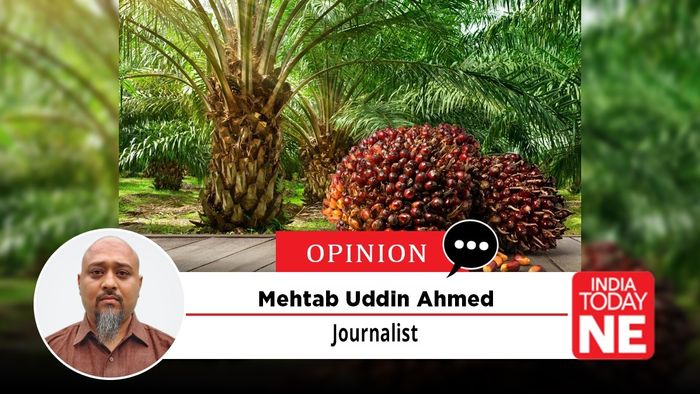
- May 31, 2026,
- Updated May 31, 2026, 5:50 PM IST
At a time when the central government is heavily backing local farmers to boost their agricultural growth through fully funded Central Sector schemes like PM-Kisan, a quiet yet contradictory shift is unfolding in the background of Assam’s agricultural landscape.
Forcing a shift toward palm oil trade-offs threatens not only our local ecosystem but also the well-being of consumers. The nutritional disparity between traditional mustard oil and refined palm oil is stark, making the domestic push for palm oil is a significant health concern for nutritionists and medical professionals.
For generations, mustard oil has been the lifeline of Assamese culinary and agricultural heritage. Despite the region's long-standing success in growing traditional oilseeds, policy directions are heavily leaning toward the massive expansion of commercial oil palm plantations. While transitioning to palm oil is pushed under the banner of high yields and reducing national import bills, a closer inspection of human health, environmental impact, and regional farming identity will reveal a troubling trajectory.
Mustard Oil (The Superior Profile): Highly regarded for its superior fatty acid makeup, mustard oil is rich in monounsaturated (MUFA) and polyunsaturated (PUFA) fats. It balances cholesterol levels and effectively lowers triglycerides. Furthermore, it serves as an excellent source of alpha-linolenic acid (ALA), an essential omega-3 fatty acid known to reduce bodily inflammation.
Palm Oil (The Saturated Hazard): Conversely, palm oil is exceptionally high in saturated fats, particularly palmitic acid. Regular and excessive intake is directly linked to elevated LDL ("bad") cholesterol and triglyceride levels, compounding long-term cardiovascular diseases.
Unlike mustard oil, which is ideal for home cooking, refined palm oil heated to extreme temperatures during commercial processing produces glycidyl fatty acid esters (GEs). Upon digestion, these compounds break down into potential carcinogens, prompting healthcare experts to advise completely avoiding it for household meal preparation.
While proponents of the National Mission on Edible Oils - Oil Palm (NMEO-OP) point out that oil palms are highly efficient—yielding 5 to 10 times more oil per hectare than traditional crops like mustard—the environmental price tag is catastrophic. Mustard, by comparison, is a low-impact crop perfectly acclimated to local conditions, requiring significantly lower water inputs and minimal pesticide interventions to thrive across Assam’s fertile plains.
The global footprint of palm oil expansion is inherently tied to massive deforestation, severe biodiversity depletion, and critical habitat loss. Replicating this model in the ecologically sensitive belts of Northeast India presents grave risks. Beyond environmental degradation, large-scale commercial plantations historically trigger bitter conflicts over land rights, frequently threatening or displacing indigenous and local communities who rely on decentralized land tenancy.
The downsides of palm oil extend into market ethics. Because palmolein is significantly cheaper to produce and import, it has historically become the primary agent for the illegal adulteration of commercial mustard oil. Unscrupulous distributors mix cheap palm oil into mustard oil to cut manufacturing costs, cheating consumers out of the health benefits of pure mustard oil while quietly introducing hidden cardiovascular risks into their daily diet.
While corporations and their associates enjoy massive profit margins, the long-term healthcare costs of chronic illnesses driven by these diets—such as Type 2 diabetes, obesity, and cardiovascular diseases—are borne by individual consumers and public healthcare systems. This behavior is rarely driven by individual malice; rather, it is a feature of shareholder primacy.
Oftentimes, conservation groups warn against a absolute global boycott of palm oil due to its unmatched land-yield efficiency, introducing it aggressively into a region naturally optimized for a healthier, native alternative is counterintuitive. This prioritization of profits over public health is a well-documented phenomenon across several major industries.
In modern capitalism, instead of sidelining traditional mustard farmers in favor of corporate-led monoculture palm plantations, the state’s primary focus should be reinforcing our indigenous agricultural roots. Prioritizing high-quality mustard seeds, state-backed processing infrastructure, and minimum support guarantees for local mustard growers will ensure true self-reliance—safeguarding both public health and Assam's unique ecology.