The Silent Crisis: How Unemployment, Drugs, and Alcohol Are Undermining India’s Growing Society
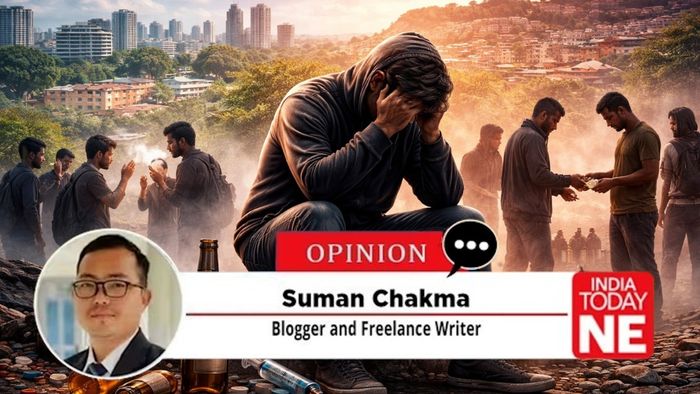
A growing society is often celebrated through visible signs like economic progress, youth potential, better roads, higher literacy, and improved connectivity. These are important achievements. But beneath this progress, a quieter and more dangerous process can begin, one that slowly weakens society from within before people even realize it. This can be described as the “slow poisoning” of society, caused by rising unemployment, drug abuse, alcoholism, and the spread of anti-social elements. Unlike sudden crises, these problems grow silently, becoming normal over time and gradually damaging the strength and future of a community.
- Mar 24, 2026,
- Updated Mar 24, 2026, 9:27 AM IST
A growing society is often celebrated through visible signs like economic progress, youth potential, better roads, higher literacy, and improved connectivity. These are important achievements. But beneath this progress, a quieter and more dangerous process can begin, one that slowly weakens society from within before people even realize it. This can be described as the “slow poisoning” of society, caused by rising unemployment, drug abuse, alcoholism, and the spread of anti-social elements. Unlike sudden crises, these problems grow silently, becoming normal over time and gradually damaging the strength and future of a community.
This is not a problem unique to one region. Across the world, similar patterns can be seen. In parts of Latin America, drug-driven economies have weakened communities, while in sections of Southeast Asia, youth unemployment has contributed to rising substance abuse. The message is clear: when opportunities do not grow along with people’s expectations, frustration builds—and society becomes vulnerable.
In India, this issue is even more significant because of the country’s large youth population. Young people are often described as the nation’s greatest strength. But if they are not given proper opportunities, this strength can turn into a serious challenge. Unemployment, especially among educated youth, remains one of the most pressing concerns today. When young individuals are unable to find meaningful work, they often feel lost, frustrated, and disconnected. This is not just about income—it is about dignity, purpose, and hope. Over time, such feelings can push individuals toward harmful choices, including substance abuse or involvement in illegal activities.
Drug abuse is one of the most damaging outcomes of this situation. It often begins with curiosity or peer pressure but gradually turns into addiction. This not only destroys the future of individuals but also affects families and entire communities. Globally, crises like the opioid epidemic in the United States have shown how deeply drug addiction can damage society. In India, especially in border and remote regions such as the North East, drug-related problems are increasing due to trafficking routes and weak enforcement systems. At the same time, the lack of adequate rehabilitation centres and the stigma surrounding addiction prevent many from seeking help, allowing the cycle to continue.
Alcoholism is another serious concern, often overlooked because of its social acceptance. Drinking is common in many social settings, which makes it more difficult to control. However, the long-term effects are severe. Alcohol abuse can lead to serious health problems, domestic violence, financial instability, and reduced productivity. In India, there is also a policy contradiction—while governments attempt to regulate alcohol consumption, they also rely heavily on revenue generated from its sale. This makes strict regulation challenging and allows the problem to persist, particularly affecting vulnerable families and impressionable youth.
Alongside these issues, anti-social elements play a major role in worsening the situation. Criminal networks involved in drug trafficking and illegal activities often target unemployed and struggling youth. They offer quick money and easy opportunities, drawing young people into risky and unlawful paths. Over time, this not only harms individuals but also weakens law and order in society. Weak enforcement, corruption, and limited community policing further allow such networks to grow and spread.
The North East region of India presents a unique situation. It is rich in cultural heritage and community strength but also faces challenges such as limited employment opportunities, restricted access to higher education, and geographic isolation. Communities like the Chakmas in Mizoram reflect both the risks and resilience of a growing society. On one hand, young people may face unemployment and limited exposure, making them vulnerable to negative influences. On the other hand, strong cultural values, close community bonds, and traditional systems act as powerful safeguards. If properly supported, these strengths can help resist the slow poisoning affecting many societies today.
Addressing this issue requires a strong and coordinated effort. Governments must focus on creating jobs, especially at the local level, so that young people are not forced to depend solely on distant opportunities. Skill development programmes should align with real market needs, ensuring that education leads to meaningful employment. Schools and colleges must also go beyond academic learning by including life skills, mental health awareness, and career guidance.
Healthcare systems need to provide better access to counselling and de-addiction services. Those struggling with addiction should be treated with care and dignity, not stigma. At the same time, law enforcement agencies must take firm action against drug networks and illegal activities. Improved coordination, stronger intelligence systems, and community policing can make a significant difference.
Equally important is the role of society itself. Families, local leaders, youth groups, and community organisations—such as the Young Chakma Association, Chakma Mahila Samhiti, and Mizoram Chakma Students’ Union in the case of Chakmas—must work together to guide and support young people. Sports, cultural activities, and awareness programmes can provide positive alternatives and keep youth engaged in healthy and productive ways. In many parts of the world, community-driven efforts have successfully reduced substance abuse and strengthened social unity.
In the end, a society does not collapse suddenly—it weakens slowly when such issues are ignored. India today stands at a critical turning point. Its young population has the potential to drive remarkable progress, but only if protected from these silent threats. For regions like the North East, and communities such as the Chakmas in Mizoram, the need for timely and sustained action is even more urgent.
By creating opportunities, promoting awareness, strengthening institutions, and supporting youth, it is possible to stop this slow poisoning. A truly growing society is not just one that develops outwardly, but one that protects, empowers, and nurtures its people from within.