The 'Ten-Minute' Paradox: Can India’s Kirana Heritage Survive the Quick Commerce Surge?
India's kirana stores are facing mounting pressure as quick commerce platforms expand and deepen discounts. A complaint before the CCI has brought the fight over livelihoods, pricing and neighbourhood retail into sharper focus.
- May 06, 2026,
- Updated May 06, 2026, 6:17 PM IST
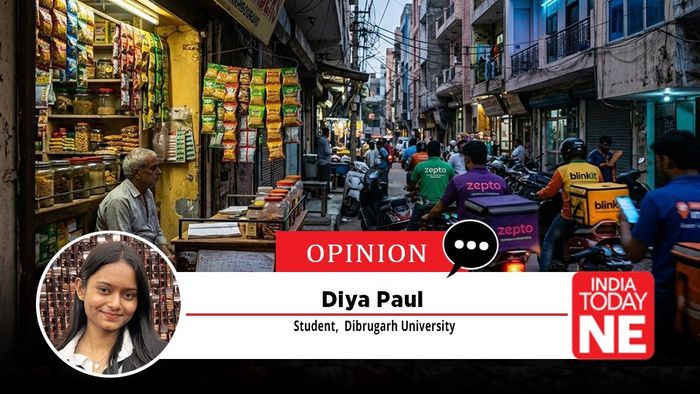
In the bustling lanes of urban India, a silent war is being waged between the heritage of the "Neighbourhood Kirana" and the high-velocity "Dark Store." As giants like Zepto, Blinkit, and Swiggy Instamart redefine convenience with 10-minute deliveries, a shadow has fallen over the livelihood of millions of local vendors who have served as the backbone of Indian retail for generations.
According to IBEF (Indian Brand Equity Foundation), the quick commerce Industry in India has experienced rapid growth since the COVID-19 pandemic, and it has also touched $5.5 billion (as per Red Seer report). The percentage raised increased from approximately 10% to 45% in the coming years.
What began in metro cities has now penetrated deep into Tier-2 and Tier-3 towns, shifting the logistics model from massive suburban warehouses to hyper-local "dark stores" hidden in residential pockets.
However, this growth comes at a steep human cost. For the local Kirana store, the competition is far from fair. Backed by massive Foreign Direct Investment (FDI) and Venture Capital, quick commerce platforms often employ "predatory pricing"—selling goods at rates lower than what a small shopkeeper pays to acquire them.
In a major regulatory development this April, the All India Consumer Products Distributors Federation (AICPDF) intensified its legal battle. The federation filed a formal representation before the Competition Commission of India (CCI), alleging that these tech giants are misutilizing capital to "eradicate" traditional competitors through deep discounting.
For the millions of families running these hereditary businesses, the "Going Concern" concept—the accounting assumption that a business will continue to exist—is becoming a painful uncertainty.
"India cannot sacrifice the livelihoods of millions for the greed of 10-minute convenience," says a representative of the AICPDF. "These shops hold the trust, credit, and memory of our communities. They are more than just profit and loss figures; they are a social fabric."
To prevent the total collapse of the traditional retail ecosystem. The government must enforce a level playing field, ensuring that FDI is used for infrastructure and technology, not for bleeding small vendors dry through unsustainable discounts.
Instead of an "Us vs. Them" model, platforms should be incentivized to partner with existing local vendors as "fulfillment partners," integrating the Kirana store into the quick commerce supply chain rather than replacing it.
As India moves toward a more digital future, the challenge remains: can we embrace the speed of the future without losing the soul of our neighbourhoods? The decision rests not just with the regulators at the CCI, but with every consumer who chooses between an app and the shop around the corner.