Indigenous groups welcome Sikkim Assembly move on Scheduled Tribe inclusion
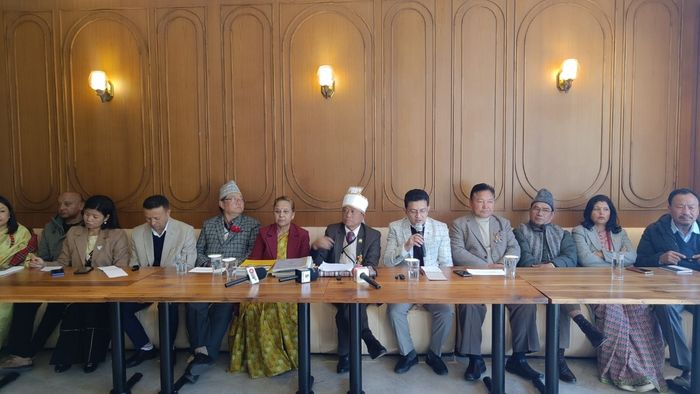
The decision of the Sikkim Legislative Assembly to recommend Scheduled Tribe status for 12 long-excluded indigenous communities has been welcomed by the Eleven Indigenous Ethnic Communities of Sikkim plus one (EIECOS+1), which called the move a turning point after years of delay.
- Dec 15, 2025,
- Updated Dec 15, 2025, 9:00 PM IST
The decision of the Sikkim Legislative Assembly to recommend Scheduled Tribe status for 12 long-excluded indigenous communities has been welcomed by the Eleven Indigenous Ethnic Communities of Sikkim plus one (EIECOS+1), which called the move a turning point after years of delay.
The Assembly passed a resolution on December 12, ratifying the final report of the Sikkim State High-Level Committee. The report recommends that the 12 communities be included in the Scheduled Tribe list under the Constitution, a step that now requires action at the national level.
Leaders of the indigenous platform said the resolution recognised long-standing demands that had remained unresolved for decades. They said the Assembly’s decision had given the issue a clear constitutional pathway and created a strong basis for approaching Members of Parliament to pursue approval in Parliament.
Addressing the media, Mani Kumar Pradhan, General Secretary of EIECOS+1, said the collective had come together to show unity and support for the affected communities, many of which, they said, had remained outside the formal recognition framework despite having distinct social and cultural identities.
“Today we are here to support the 12 communities that have been separated from Sikkim and to work for their rightful place,” Pradhan said. “All our executive members, associations, and community representatives are present. Our chairman is also here. We have gathered to support our people, our demands, and also the work that the government has done.”
The organisation said the State High-Level Committee had carried out extensive research before submitting its final report. According to the group, the committee examined anthropological and sociological evidence, census records, historical documents and detailed submissions from community representatives.
They said scholars, subject experts and senior officials were involved throughout the process, and that the report was prepared over multiple phases to ensure accuracy and credibility. Earlier attempts to resolve the issue, discussed as far back as the mid-2000s, had failed to reach a conclusion, they added.
The indigenous platform said the Assembly resolution marked an important milestone but stressed that the process was far from complete. The next step, they said, would be sustained engagement with parliamentarians from the Northeast and other regions to ensure the recommendation is taken forward at the Centre.
The group also acknowledged the role of the state government in steering the process through constitutional channels, saying the decision had restored confidence among communities that have waited years for formal recognition.