Nathula Pass trade to resume from August 1 after six-year closure; boost for Sikkim border economy
Trade through the historic Nathula Pass along the India-China border is set to resume from August 1, 2026, marking a major boost for Sikkim's border economy after more than six years of suspension, according to highly placed sources.
- Jul 20, 2026,
- Updated Jul 20, 2026, 7:54 PM IST
Trade through the historic Nathula Pass along the India-China border is set to resume from August 1, 2026, marking a major boost for Sikkim's border economy after more than six years of suspension, according to highly placed sources.
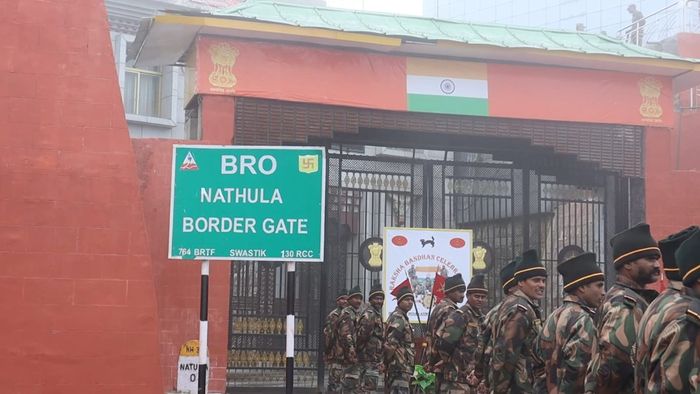
Located in East Sikkim, Nathula was a key trading route on the ancient Silk Route for centuries. Border trade was formally revived in 2006 after remaining suspended since the 1962 India-China war. However, operations were halted again in 2020 due to the COVID-19 pandemic and have remained closed ever since.
The decision to reopen the route follows the 24th round of the India-China Special Representatives' dialogue held in August 2025, co-chaired by National Security Advisor Ajit Doval and Chinese Foreign Minister Wang Yi. During the talks, both countries agreed to resume border trade through three Himalayan passes—Nathula in Sikkim, Shipki La in Himachal Pradesh, and Lipulekh in Uttarakhand.
Earlier, Sikkim Chief Minister Prem Singh Tamang had informed the State Assembly that border trade was expected to resume from June 1. However, sources now indicate that the reopening has been finalised for August 1.
The resumption of trade is expected to provide significant relief to the local economy, particularly for nearly 600 registered Indian traders who depend on the Nathula route for cross-border commerce.
The reopening also comes after the revival of the Kailash Mansarovar Yatra through Nathula earlier this year, ending a five-year suspension of the pilgrimage route.
Meanwhile, infrastructure development is underway to strengthen connectivity to the border. A new highway linking Rongli and Menla is being constructed to improve access to Nathula and the wider Indo-Tibet border region, supporting both trade and strategic connectivity.