North Sikkim tourism back on track as key road reopens, rehabilitation enters next phase
The reopening of a key road in North Sikkim is set to boost tourism after disruptions caused by natural events. Authorities are restoring infrastructure to ensure safe and smooth travel for visitors
- Jan 27, 2026,
- Updated Jan 27, 2026, 8:57 AM IST
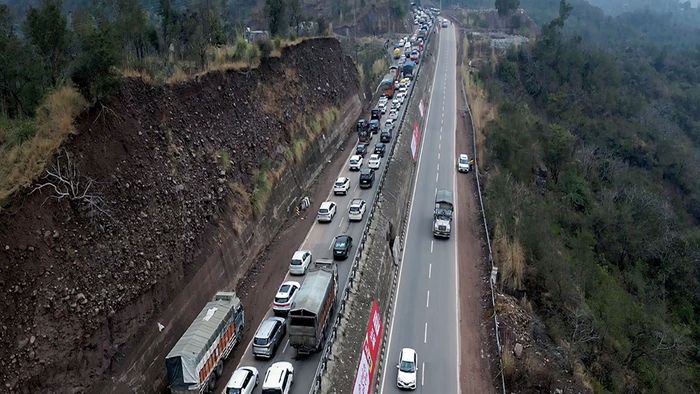
Tourist traffic to North Sikkim has stabilised after the reopening of the Toong–Naga Road, restoring a crucial lifeline to the region months after the devastating glacial lake outburst flood (GLOF) of October 2023.
Chairman of the Sikkim Welfare Commission, Nim Tshering Lepcha, said tourist movement towards Lachung is now smooth, with around 400 tourist vehicles travelling to the area every day. He noted that road conditions have improved significantly, allowing safe and uninterrupted movement and bringing relief to local residents and businesses dependent on tourism.
Attention is now turning to Lachen, which remains closed to visitors. The Border Roads Organisation is constructing a bridge over the Taram Chu River on the route, a project expected to be completed by the first week of February. Once finished, tourist movement to Lachen will also be reopened, further reviving the region’s tourism economy.
Alongside the return of visitors, rehabilitation of families affected by the disaster has entered a critical phase. Lepcha said 125 families from Rel, Naga and Toong wards will be relocated to Upper Bojoghari in Gangtok. Land parchas are scheduled to be distributed on 8 February, paving the way for the construction of permanent houses.
The Toong–Naga area was among the worst hit by the October 2023 GLOF, which caused extensive flooding along the Teesta basin, destroying roads, bridges and settlements across North Sikkim. Repeated landslides in the months that followed further damaged the Toong–Naga stretch, cutting off access and forcing several families to leave their homes.
Officials say the reopening of the road marks a turning point, signalling not just the revival of tourism but also steady progress in long-term rehabilitation and resettlement. The state government has reiterated that restoring safety, dignity and sustainable livelihoods for affected families remains a priority.
In the immediate aftermath of the disaster, the Indian Army under the Trishakti Corps assisted civil authorities with evacuations, medical aid, debris clearance and the restoration of critical road links. Temporary connectivity was established to ensure the movement of essential supplies to remote and cut-off areas, helping stabilise the region during one of its most challenging periods.