Pang Lhabsol celebrates Sikkim’s sacred bond with Khangchendzonga
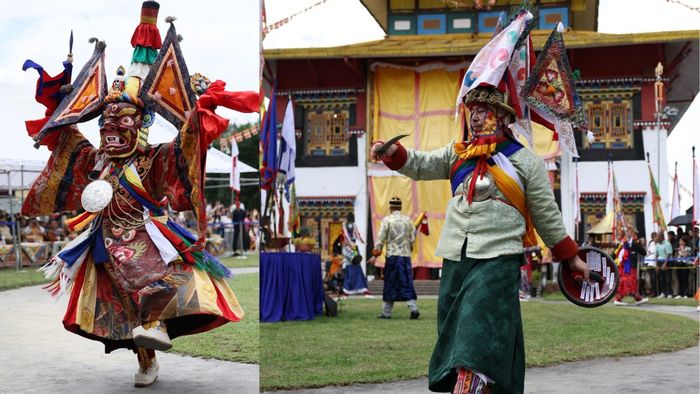
Sikkim on August 28 celebrated Pang Lhabsol, one of the state’s most revered festivals, with elaborate Buddhist rituals, traditional ceremonies and the spectacular Pangtoed Chaam at the Tsuklakhang Palace grounds in Gangtok.
- Aug 28, 2026,
- Updated Aug 28, 2026, 7:07 PM IST
Sikkim on August 28 celebrated Pang Lhabsol, one of the state’s most revered festivals, with elaborate Buddhist rituals, traditional ceremonies and the spectacular Pangtoed Chaam at the Tsuklakhang Palace grounds in Gangtok.
The festival is dedicated to Mount Khangchendzonga, revered as Sikkim’s guardian deity, and commemorates the consecration of the mountain as the protector of the state.
Governor Om Prakash Mathur and Chief Minister Prem Singh Tamang attended the celebrations, along with Minister for Ecclesiastical and Public Health Engineering Departments Sonam Lama, MLA and Public Accounts Committee Chairman Sonam Tshering Venchungpa, members of the former royal family and senior Buddhist religious figures, including Tulkus, Khenpos and monks.
The day’s observances began with the Thrulsey Ceremony, following which the Chief Minister was escorted to the Royal Palace Ground for the Rumfaat ceremony. A ceremonial procession then proceeded towards Tsuklakhang.
At the venue, the rituals continued with the Shelen Ceremony and offerings of khadas to the Kusabs. The Tsuklakhang Trust and the organising committee also formally welcomed the Governor.
The highlight of the celebrations was the traditional Chhaam, particularly the Pangtoed Chaam, a warrior dance associated with Khangchendzonga’s role as Sikkim’s protector.
According to tradition, the Pangtoed Chaam was conceived by the Third Chogyal of Sikkim, Chagdor Namgyal, after he reportedly saw it in a dream. The dance symbolises Khangchendzonga as the Warrior God and forms an important part of Sikkim’s Buddhist cultural heritage.
Pang Lhabsol is observed on the 15th day of the seventh month of the Tibetan lunar calendar, generally falling in August or September. Beyond its religious significance, the festival is closely associated with the historic blood brotherhood pact between the Lepcha and Bhutia communities at Kabi Longchok.
The pact, regarded as a foundational moment in Sikkim’s history, is symbolically linked to the festival’s message of unity, harmony and peaceful coexistence.
The celebrations concluded with prayers for peace, prosperity and the wellbeing of the people of Sikkim. Former trustees were also felicitated for their contributions, while a commemorative book documenting the festival was released.
The annual observance once again brought together Sikkim’s religious, cultural and political traditions around the enduring belief in Khangchendzonga as the sacred guardian of the Himalayan state.