Sikkim CM seeks easier funding norms for externally aided projects, faster approvals
Sikkim Chief Minister Prem Singh Tamang urged the Centre in Shillong to revise funding rules for externally aided projects. He said the current model, approval delays and fiscal limits place heavy pressure on northeastern and Himalayan states.
- Jun 20, 2026,
- Updated Jun 20, 2026, 8:54 AM IST
Sikkim Chief Minister Prem Singh Tamang has urged the Centre to introduce a more equitable funding mechanism for externally aided projects (EAPs), arguing that the current model places a disproportionate financial burden on northeastern and Himalayan states.
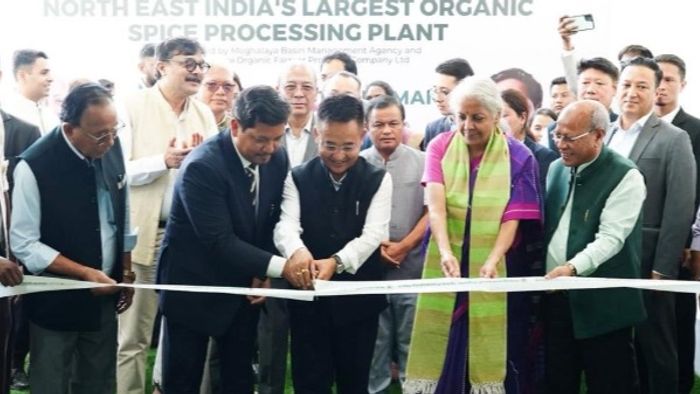
Speaking at a seminar on externally aided projects in Shillong on Friday, June 19, chaired by Union Finance Minister Nirmala Sitharaman, Tamang highlighted challenges faced by states in accessing and implementing externally funded development projects.
According to an official statement, the chief minister thanked the Centre for its continued support to Sikkim but stressed that the requirement for substantial counterpart funding places significant pressure on financially constrained states in the region.
Tamang proposed that externally aided projects in northeastern and Himalayan states should follow the funding pattern of Centrally Sponsored Schemes, with 90 per cent grant support from the Government of India and only 10 per cent loan assistance.
He also called for the loan component of such projects to be kept outside prescribed fiscal deficit limits, contending that EAPs create long-term productive assets and critical infrastructure that contribute to economic growth.
The chief minister further raised concerns over lengthy approval procedures, noting that many externally funded projects take two to three years to receive clearance. Such delays, he said, often result in cost escalations and repeated revisions to project proposals.
To address the issue, Tamang advocated for a fixed appraisal and approval timeline within a single financial year to facilitate faster implementation of projects.
He also sought regular capacity-building programmes for state officials, greater transparency in project approvals, and recognition of land, right-of-way, and enabling infrastructure provided by states as part of their contribution to externally aided projects.
Highlighting Sikkim's experience, Tamang said the state has successfully implemented externally aided projects in sectors such as power, forestry, connectivity, and welfare initiatives for women and youth, which have contributed significantly to its socio-economic development.