Sikkim flags concerns over ‘4th Option’ in Darjeeling talks, seeks protection of Article 371F
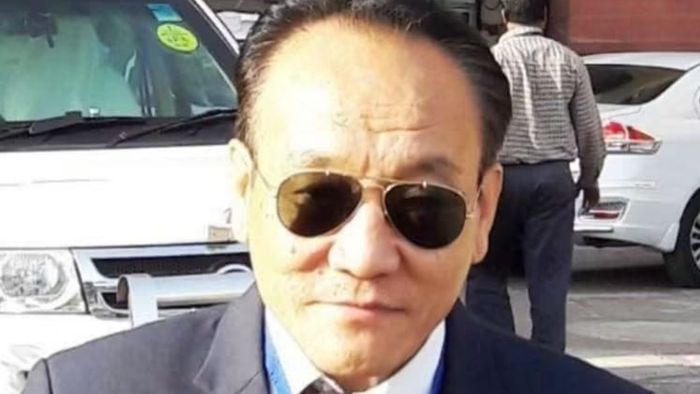
Former Sikkim minister and SIBLAC convenor Tseten Tashi Bhutia has submitted a representation to the Centre’s interlocutor for Gorkha issues, Pankaj Kumar Singh, raising concerns over references to a “4th Option/Pathway” and the possible inclusion of “contiguous areas of neighbouring/bordering States” in discussions on a proposed Permanent Political Solution (PPS) for the Gorkha issue.
- Oct 08, 2026,
- Updated Oct 08, 2026, 6:06 PM IST
Former Sikkim minister and SIBLAC convenor Tseten Tashi Bhutia has submitted a representation to the Centre’s interlocutor for Gorkha issues, Pankaj Kumar Singh, raising concerns over references to a “4th Option/Pathway” and the possible inclusion of “contiguous areas of neighbouring/bordering States” in discussions on a proposed Permanent Political Solution (PPS) for the Gorkha issue.
Bhutia said his representation was submitted to Singh, a former IPS officer appointed by the Centre to facilitate discussions on the Gorkha issue, and that the interlocutor’s office had received it. The Centre has been holding consultations on a framework for a permanent political solution to the long-standing Gorkha issue.
Bhutia said his intervention was not directed against the democratic aspirations of people in Darjeeling, Kalimpong, the Terai or Dooars, saying communities had the right to pursue their aspirations peacefully and through constitutional means.
His concern, he said, was focused on Sikkim’s constitutional identity, territorial integrity, historical circumstances and safeguards under Article 371F.
Bhutia said it became necessary to place Sikkim’s legal and constitutional position before the authorities after the state was brought into the discourse, even indirectly.
‘No political confrontation’
Appealing for restraint, Bhutia called for avoiding political confrontation, unnecessary FIRs and arrests, and hostility between communities.
He said that wherever there was a genuine violation of law, legal action should be taken fairly and transparently and in accordance with due process.
Bhutia also cautioned against what he described as vested interests, including political interests, exploiting public emotions or spreading misinformation in a manner that could create divisions between communities.
“Darjeeling can pursue its democratic aspirations. Sikkim can protect its constitutional rights,” Bhutia said, adding that the two positions did not have to turn people from the two regions against each other.
Gorkha talks and Sikkim concerns
The Centre has stepped up consultations on a permanent political solution to the Gorkha issue. A high-level committee headed by Pankaj Kumar Singh was constituted following a stakeholder meeting in August to work out the modalities of a settlement within the Constitution.
The ongoing process has renewed debate over possible administrative and constitutional arrangements for the Darjeeling hills and adjoining areas, including the Terai and Dooars. Different stakeholders have put forward varying proposals, ranging from enhanced autonomy to statehood and other constitutional arrangements.
Against this backdrop, Bhutia urged the Centre and all stakeholders to ensure that the dialogue remained peaceful, transparent and constitutional, while respecting what he described as the legitimate interests and constitutional safeguards of all regions concerned.