Traditional Tripura Sarinda earns Geographical Indication recognition
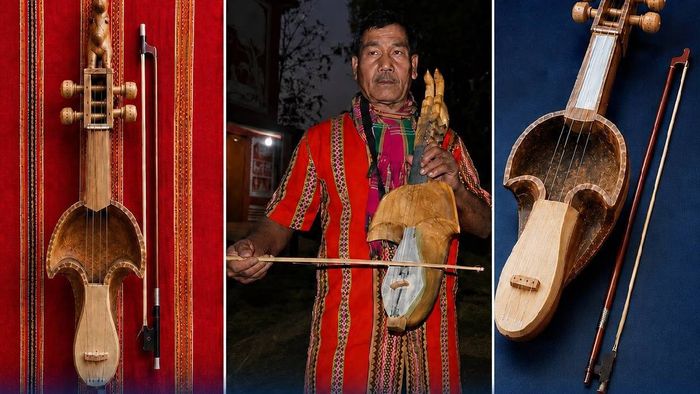
In a significant boost to the preservation of the state's cultural heritage, Tripura Chief Minister Manik Saha announced that the Traditional Tripura Sarinda, a unique indigenous string musical instrument, has been granted Geographical Indication (GI) recognition.
- Jun 16, 2026,
- Updated Jun 16, 2026, 3:08 PM IST
In a significant boost to the preservation of the state's cultural heritage, Tripura Chief Minister Manik Saha announced that the Traditional Tripura Sarinda, a unique indigenous string musical instrument, has been granted Geographical Indication (GI) recognition.
Describing the development as a "proud moment for Tripura’s rich cultural heritage," the Chief Minister said that the GI tag awarded to the Tripura Sarinda (Musical Instrument) marks an important milestone in safeguarding and promoting the state's treasured folk traditions. He noted that the recognition will help preserve the instrument’s unique identity while creating greater awareness about Tripura’s indigenous musical legacy.
With the inclusion of the Tripura Sarinda, Tripura now has four GI-tagged products, reflecting the state's rich cultural and traditional diversity. The other products that have previously received GI recognition are Queen Pineapple, Risha/Pachra (Rignai), and Matabari Peda.
Congratulating the artisans, craftsmen, and musicians associated with the instrument, CM Saha said the achievement is a testament to their dedication in preserving and nurturing Tripura’s traditional art forms across generations.
The GI recognition is expected to provide greater visibility and protection to the traditional instrument, while also opening new opportunities for local artisans and cultural practitioners. Officials believe the tag will further strengthen efforts to promote Tripura’s cultural identity at the national and international levels.
The Tripura Sarinda has long been an integral part of the state's folk music traditions and continues to hold cultural significance among indigenous communities.