Tripura records 446 illegal infiltration cases along Bangladesh border in three years
Tripura's Home Department told the Assembly that 446 illegal infiltration cases were registered along the Bangladesh border between 2023 and 2025. The government said coordinated patrols, surveillance and temporary fencing are being used to plug vulnerable points.
- Aug 31, 2026,
- Updated Aug 31, 2026, 6:36 PM IST
A total of 446 cases of illegal infiltration were registered at police stations in Tripura’s international border areas between 2023 and 2025, the state Home Department informed the Legislative Assembly on August 31.
The figures were disclosed in response to a question by CPI(M) MLA Sudip Sarkar on the final day of the Assembly session. Sarkar also sought details of measures being taken by the state government, in coordination with Central agencies, to strengthen security along the border.
Tripura shares an approximately 856-km-long international boundary with Bangladesh, making infiltration and border security key concerns for the state.
The Home Department said the state government is working with Central agencies to prevent infiltration and improve surveillance along vulnerable stretches. It said the State Police, BSF, Special Branch and Intelligence units, along with district administrations, regularly share intelligence and coordinate security operations.
Security forces and police conduct joint patrolling, naka checks, vehicle searches and surveillance in areas identified as vulnerable and along routes considered prone to infiltration, the department said.
The government also holds periodic review meetings to assess infiltration trends, identify hotspots, examine arrests and address gaps in border fencing, besides reviewing other emerging security concerns.
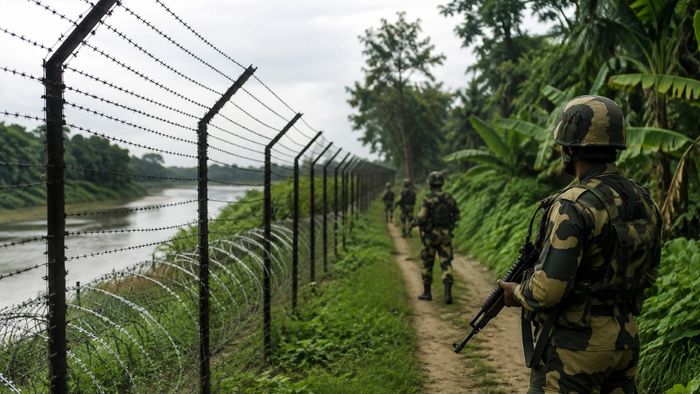
As an additional measure, temporary fencing made of concertina coils and barbed wire has been installed at vulnerable bridges and culverts, according to the Home Department.
The government said the measures are intended to close vulnerable points along the border and improve coordination between agencies involved in border security.