Tripura University opens Indian knowledge systems corner, offers resources for national exam
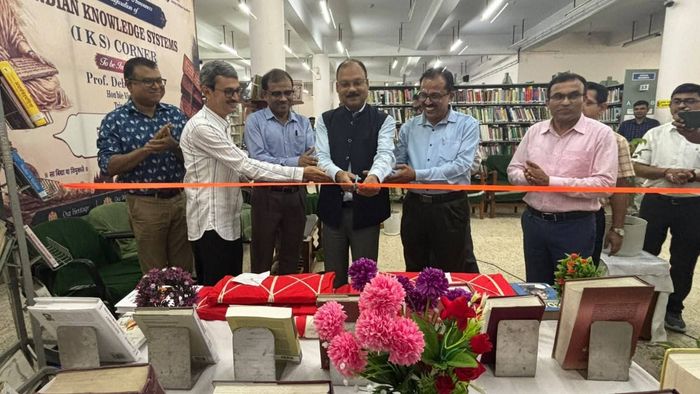
Tripura University has established an Indian Knowledge Systems (IKS) Corner at its Central Library to promote awareness of India's traditional knowledge heritage and support students preparing for an upcoming national-level examination on the subject.
- Oct 13, 2026,
- Updated Oct 13, 2026, 5:06 PM IST
Tripura University has established an Indian Knowledge Systems (IKS) Corner at its Central Library to promote awareness of India's traditional knowledge heritage and support students preparing for an upcoming national-level examination on the subject.
Vice-Chancellor Professor Debabrata Das inaugurated the facility on October 12. The initiative was organised by the university's Central Library in collaboration with Vidya Bharati Uchha Shiksha Sansthan, Tripura.
The facility aims to provide students and research scholars with access to study materials on India's traditional knowledge systems and encourage them to explore their relevance to contemporary teaching, learning and research.
University officials said the IKS Corner would serve as a dedicated resource centre for the academic community to study India's intellectual heritage and understand its potential applications in modern education.
Tripura University Finance Officer Debashish Pal and Librarian Dr Champeswar Mishra attended the inauguration programme, along with faculty members, university staff, students, research scholars and other dignitaries.
The facility will also provide preparatory materials for the Bharat BoudhIKS 2.0 National Level Examination on Indian Knowledge Systems, scheduled to be held on November 21, 2026. The examination will be conducted across colleges and universities in the country.
The availability of study materials at the Central Library is expected to help aspirants familiarise themselves with the subject and prepare for the examination.
Through the collaboration with Vidya Bharati Uchha Shiksha Sansthan, Tripura University aims to strengthen awareness of India's traditional knowledge traditions and create greater opportunities for students and researchers to engage with the subject.