Tripura’s Vanghmun village turns water crisis into a conservation success story, PM Modi praises
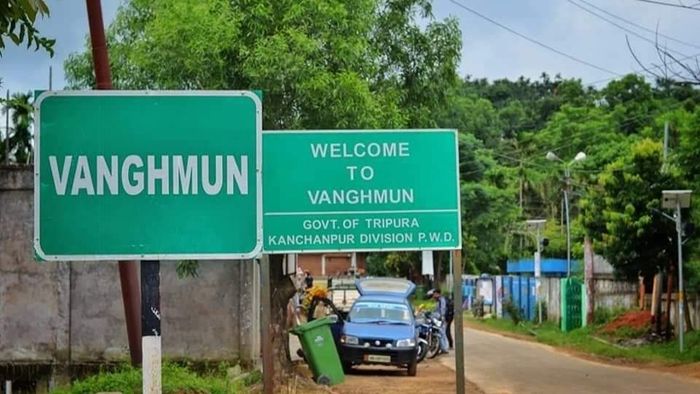
Nestled high in the serene Jampui Hills of Tripura’s North District, the small village of Vanghmun has transformed itself into a shining example of resilience and community-driven change.
- Mar 29, 2026,
- Updated Mar 29, 2026, 4:03 PM IST
Nestled high in the serene Jampui Hills of Tripura’s North District, the small village of Vanghmun has transformed itself into a shining example of resilience and community-driven change.
Once burdened by acute water scarcity, the village today stands as a symbol of hope and sustainable living earning special praise from Prime Minister Narendra Modi during his recent address on Mann Ki Baat.
Highlighting the onset of summer across many parts of India, the Prime Minister emphasized the urgent need to renew our collective commitment to water conservation. Over the past decade, initiatives like the Jal Sanchay Abhiyan have significantly raised awareness, leading to the creation of nearly 50 lakh artificial water harvesting structures nationwide.
He noted with pride that villages across the country are increasingly embracing community-led efforts to combat water crises. From reviving age-old ponds to implementing rainwater harvesting systems, people are taking charge of their water future. Under the Amrit Sarovar Abhiyan, close to 70,000 water bodies have been developed, with their cleaning and maintenance already underway ahead of the monsoon season.
Among these inspiring stories, Vanghmun village stands out.
Perched at an altitude of around 3,000 feet, the village once struggled severely during summers, with residents forced to walk long distances just to fetch water. Determined to change their fate, the villagers came together with a shared resolve—to conserve every drop of rain.
Today, their efforts have borne remarkable results. Nearly every household in Vanghmun is equipped with rooftop rainwater harvesting systems. What was once a village grappling with scarcity has now evolved into a model of water self-sufficiency and environmental stewardship.